Have something to say about climate or the environment?

Share it with Nepal's climate-conscious community through our platform, socials, and 780-subscriber newsletter.

Write a blog

Browse by Category

When a Warning Is Not Enough Climate Science

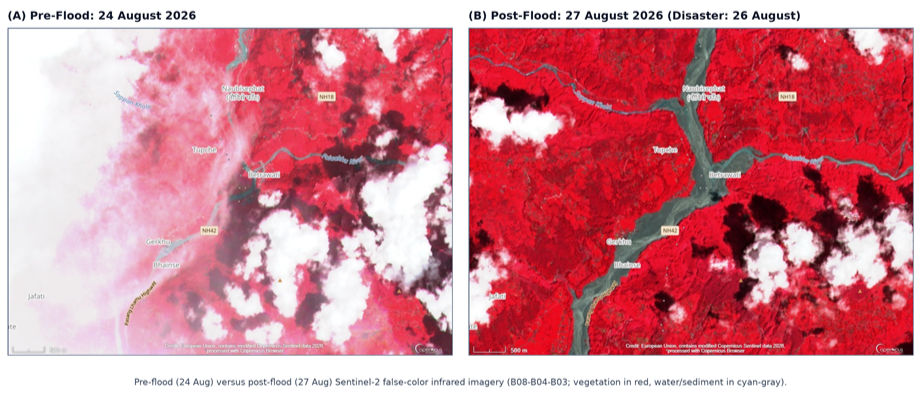
When a Warning Is Not Enough

Why Nepal's flood warnings failed on 26 August, and what actually saved lives

Darshan Moktan's profile
Darshan Moktan
8 min read
When the Mountains Burst: The Unseen Glacial Threat Facing the HimalayasClimate Science

When the Mountains Burst: The Unseen Glacial Threat Facing the Himalayas

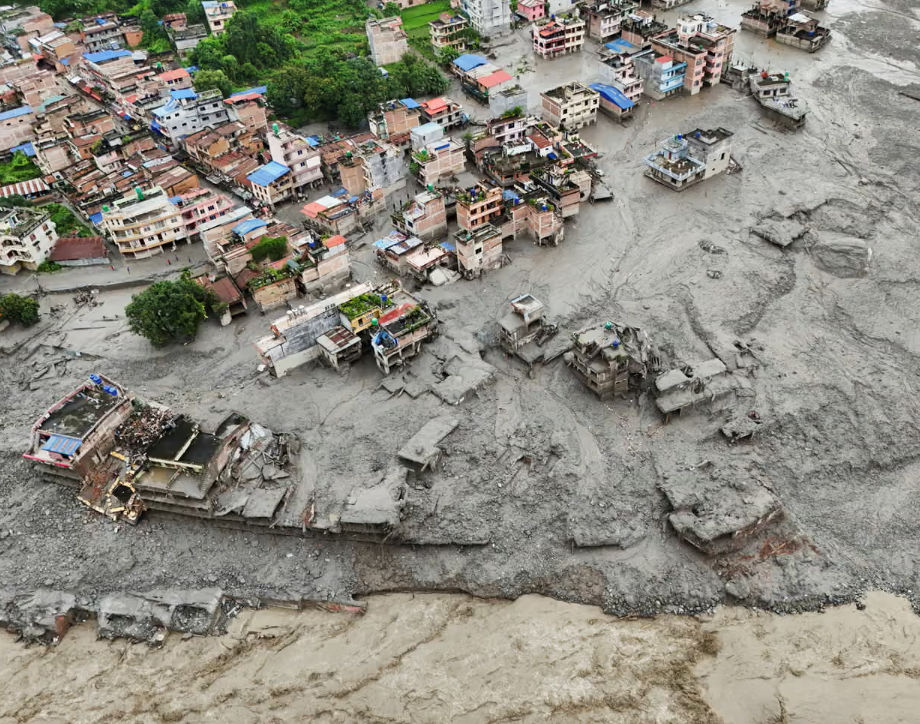
Climate change is accelerating glacier melt across the Himalayas, and the resulting meltwater collects behind unstable natural dams. When these dams fail, glacial lake outburst floods (GLOFs) can devastate entire communities within minutes as seen in Thame, Nepal (2024) and Purepu (2025), where small, poorly monitored lakes caused sudden, catastrophic destruction. A similar event struck Dharali in Uttarakhand, India (2025), compounded by unregulated infrastructure development in ecologically fragile terrain. With over 25,000 glacial lakes across the Hindu Kush Himalaya and nearly 260 million people living downstream, identifying and monitoring high-risk lakes particularly smaller, unmapped ones has become a critical priority for regional disaster preparedness and climate resilience

Anjali Rawat's profile
Anjali Rawat
7 min read
Kathmandu’s Sinking GroundsClimate Science

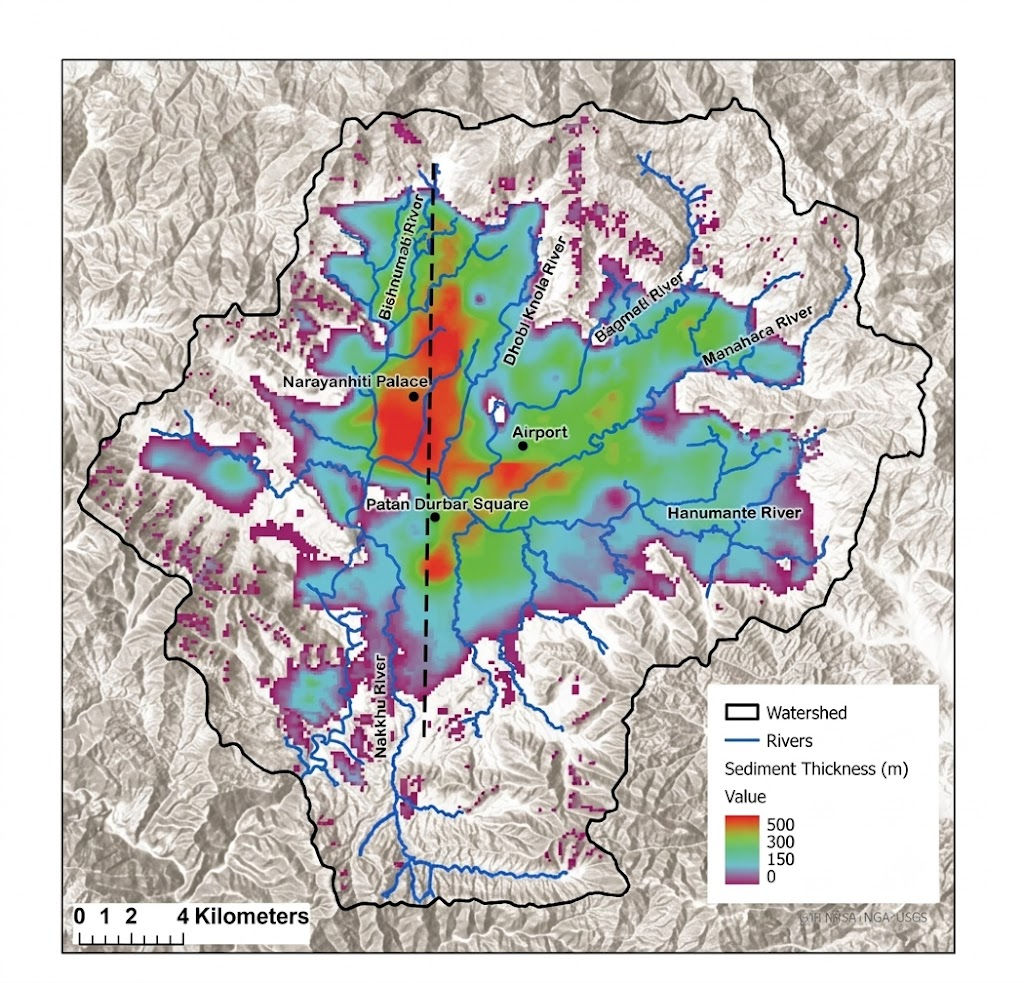
Kathmandu’s Sinking Grounds

An unnoticed disaster lurking beneath

Darshan Moktan's profile
Darshan Moktan
8 min read
Can a Positive IOD Partly Weaken the Impacts of a Super El Niño on Nepal's Monsoon?Climate Science

Can a Positive IOD Partly Weaken the Impacts of a Super El Niño on Nepal's Monsoon?

Darshan Moktan's profile
Darshan Moktan
7 min read
When the Pacific Decides Nepal's HarvestClimate Science

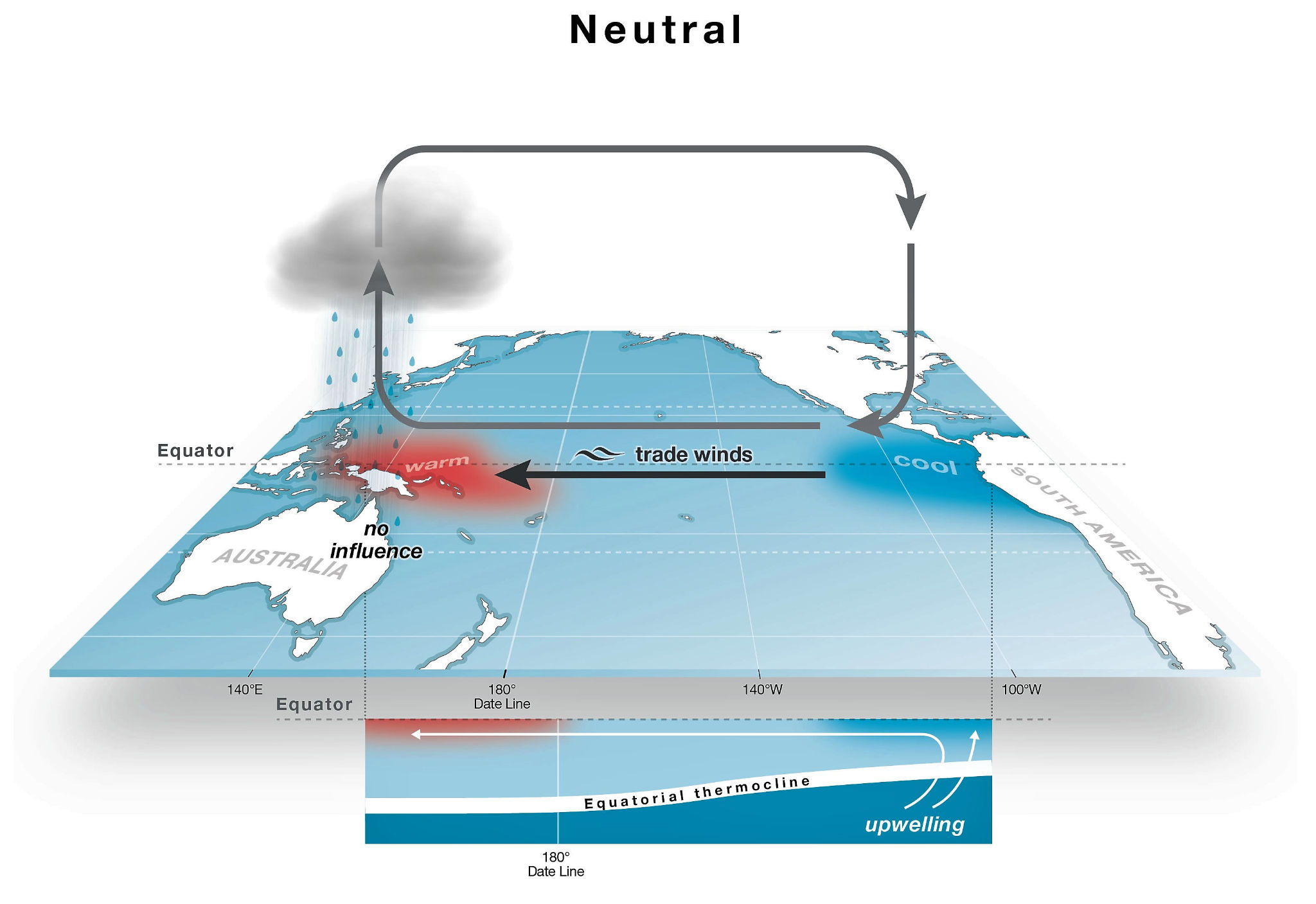
When the Pacific Decides Nepal's Harvest

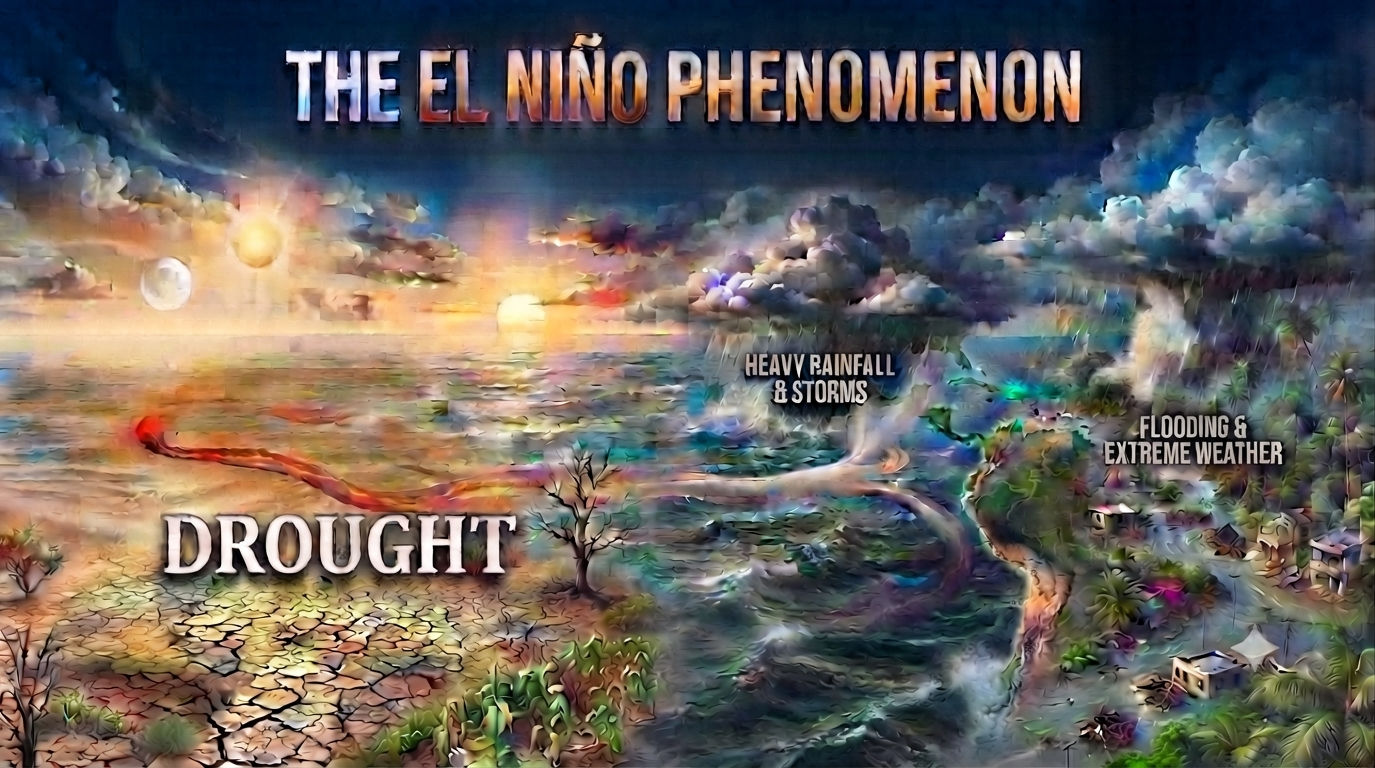
A warming Pacific Ocean can shape the fate of Nepal's farms. As the possibility of a strong El Niño looms in 2026, this blog explores how distant climate changes influence Nepal's monsoon, agriculture, and food security, while highlighting why preparedness and resilience are essential for protecting farmers' livelihoods.

Sudha Subedi's profile
Sudha Subedi
9 min read
The“Third Pole”: Why the HKH Matters Beyond South AsiaClimate Science

The“Third Pole”: Why the HKH Matters Beyond South Asia

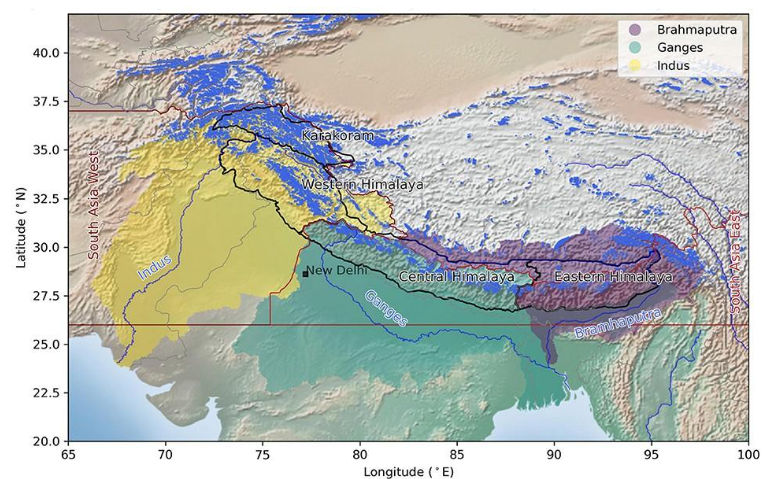
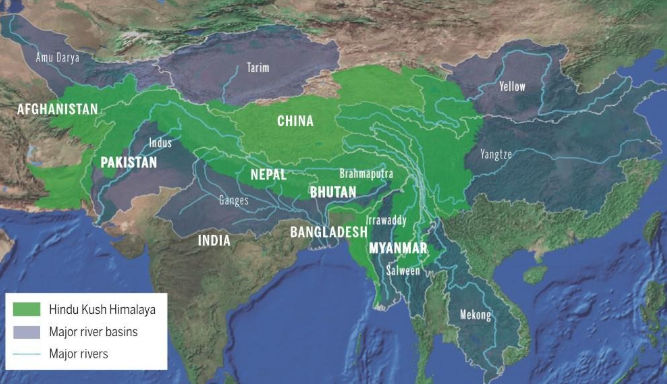
The Hindu Kush Himalaya, as the “Third Pole,” is a critical global cryospheric system that regulates water, climate, and food security for billions beyond South Asia.

Biswash Kaphle's profile
Biswash Kaphle
9 min read
Glaciers, Snow, and Rivers: How HKH Water Is Stored and ReleasedClimate Science

Glaciers, Snow, and Rivers: How HKH Water Is Stored and Released

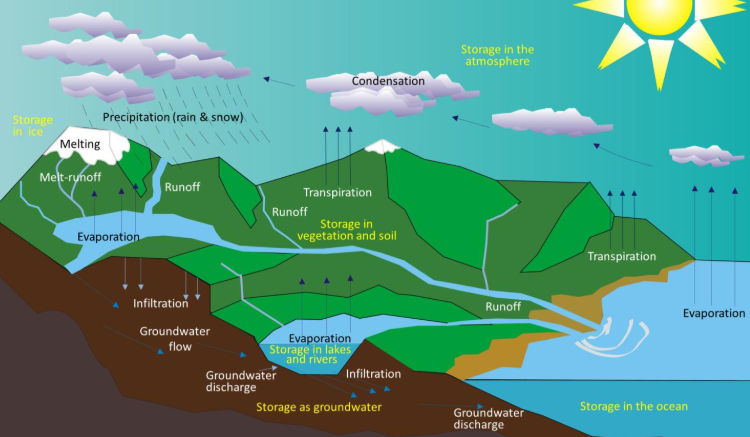
The Hindu Kush Himalaya stores water across layered systems, snow, glaciers, permafrost, and groundwater that regulate when and how water is released downstream.

Biswash Kaphle's profile
Biswash Kaphle
7 min read
How Climate Change Is Reshaping Mountain Water SystemsClimate Science

How Climate Change Is Reshaping Mountain Water Systems

Climate change is transforming Himalayan Mountain hydrology from a buffered, predictable system into a fast, unstable amplifier of floods, sediment, and water variability.

Biswash Kaphle's profile
Biswash Kaphle
9 min read
Why Nepal Lies at the Hydrological Heart of the Hindu Kush HimalayaClimate Science

Why Nepal Lies at the Hydrological Heart of the Hindu Kush Himalaya

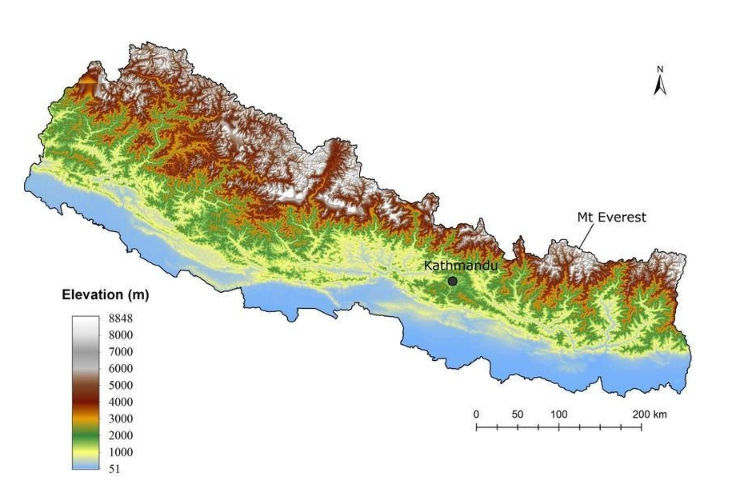
Nepal, despite its small size, acts as a hydrological “control valve” in the Hindu Kush Himalaya, shaping river flows, sediment, and climate signals that determine water security across South Asia.

Biswash Kaphle's profile
Biswash Kaphle
11 min read
The Hindu Kush Himalaya: Water Tower of AsiaClimate Science

The Hindu Kush Himalaya: Water Tower of Asia

The Hindu Kush Himalaya acts as Asia’s “Water Tower,” regulating water for billions, but climate change is disrupting its delicate balance, causing both increased flood risks and future water scarcity.

Biswash Kaphle's profile
Biswash Kaphle
9 min read