


As someone aspiring to work in the climate space of Nepal, LCOY Nepal 2026 was exactly where I needed to be.
The Local Conference of Youth (LCOY) Nepal 2026 brought together over 150 young people from across the country and different disciplines to discuss climate issues, strengthen our knowledge and leadership, and develop a collective position ahead of the Conference of Parties 31 (COP31).
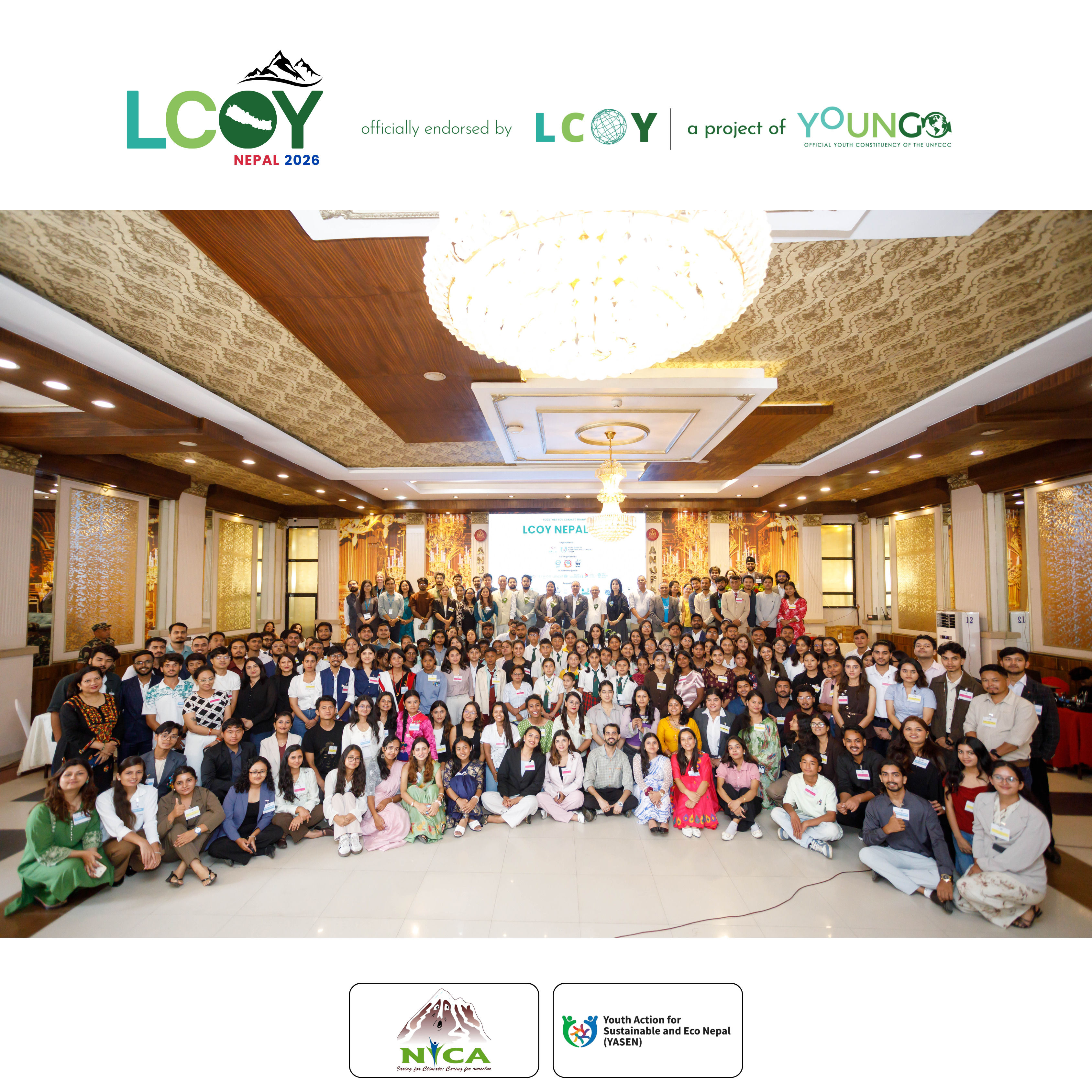
The conference had two main objectives: drafting the national children and youth declaration and reviewing the National Climate Change Policy, 2019. As a delegate, I took part in group work and dialogue with other delegates to help draft the youth statement and contribute suggestions for the policy. It was an important space for youth and children of Nepal to voice their opinions and demands to the government on climate adaptation.
Over the course of the conference, I attended a range of sessions, from a plenary session on achieving climate transparency, which highlighted the important role youth play in ensuring accountability, to a panel discussion on the opportunities and barriers for youth in climate governance in Nepal, which mapped out where we currently stand and where the gaps are. A mock COP session on "Recognising and Supporting Mountain Regions on Climate Adaptation" and a moot court simulation on Nijgadh airport were the highlights for me. These sessions taught me how COP negotiations work and how genuinely difficult it is to balance environmental and development interests.
My favourite session by far was on how young climate activists can help achieve climate transparency. The session highlighted the importance of open access information, a transparent climate system, and the need to verify data before acting on it. Most importantly, it made clear that data only becomes powerful when people can act on it. As a student engaged in research, this was a reminder to stay transparent, produce usable evidence, and communicate data in ways people can actually understand and use.
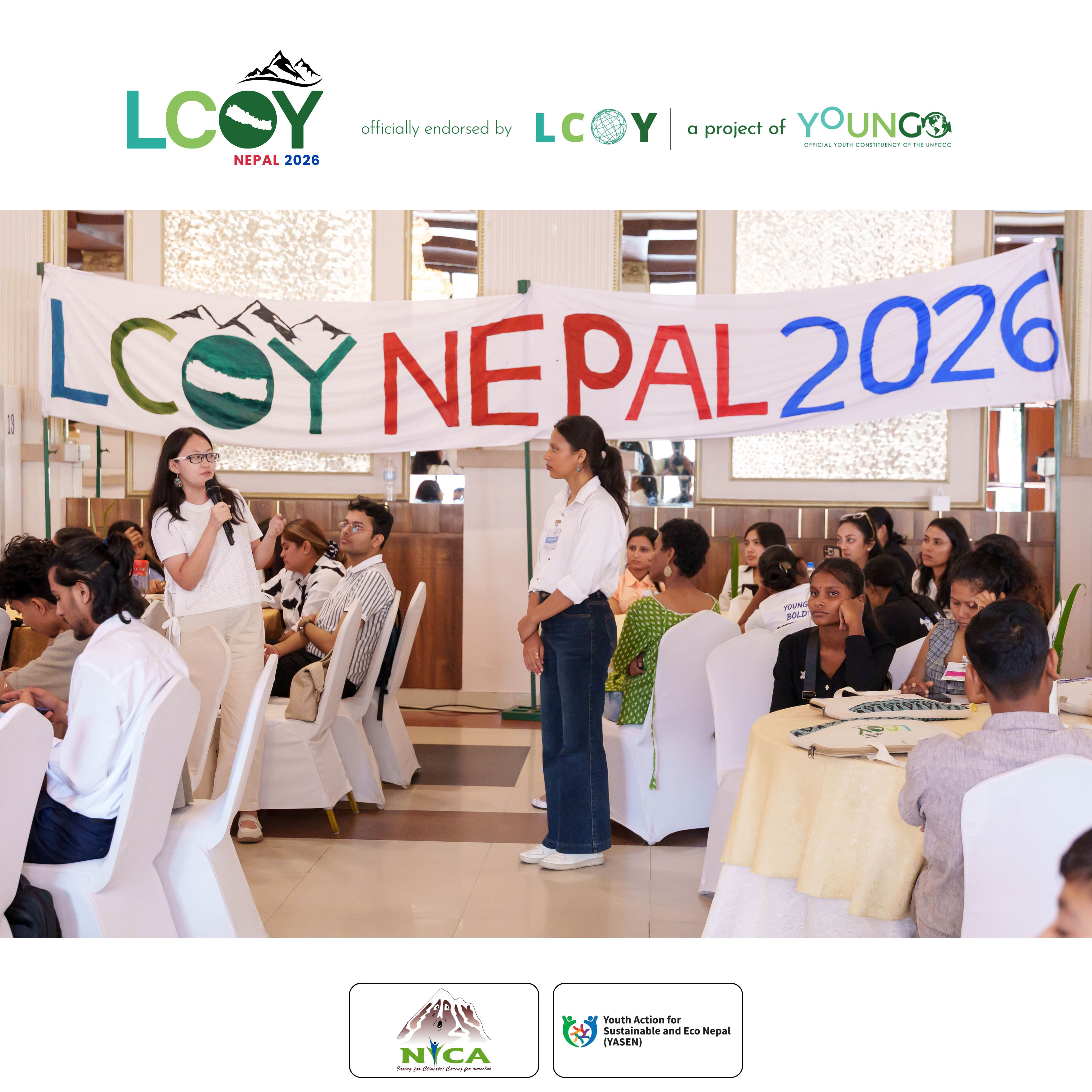
The conference was also a valuable opportunity to connect with people across Nepal’s climate space and get updated on current and past climate actions in the country. Studying abroad often means I am disconnected from what's happening back home, so this was a crucial chance for me to reconnect and learn what opportunities exist for me.
LCOY was a strong reminder that climate action is not limited to people studying disciplines like environmental science or to governments, international and national organisations. Individual action, using the skills and knowledge you already have, matters just as much.