
Featured Post

Have something to say about climate or the environment?

Share it with Nepal's climate-conscious community through our platform, socials, and 780-subscriber newsletter.

Write a blog

Browse by Category

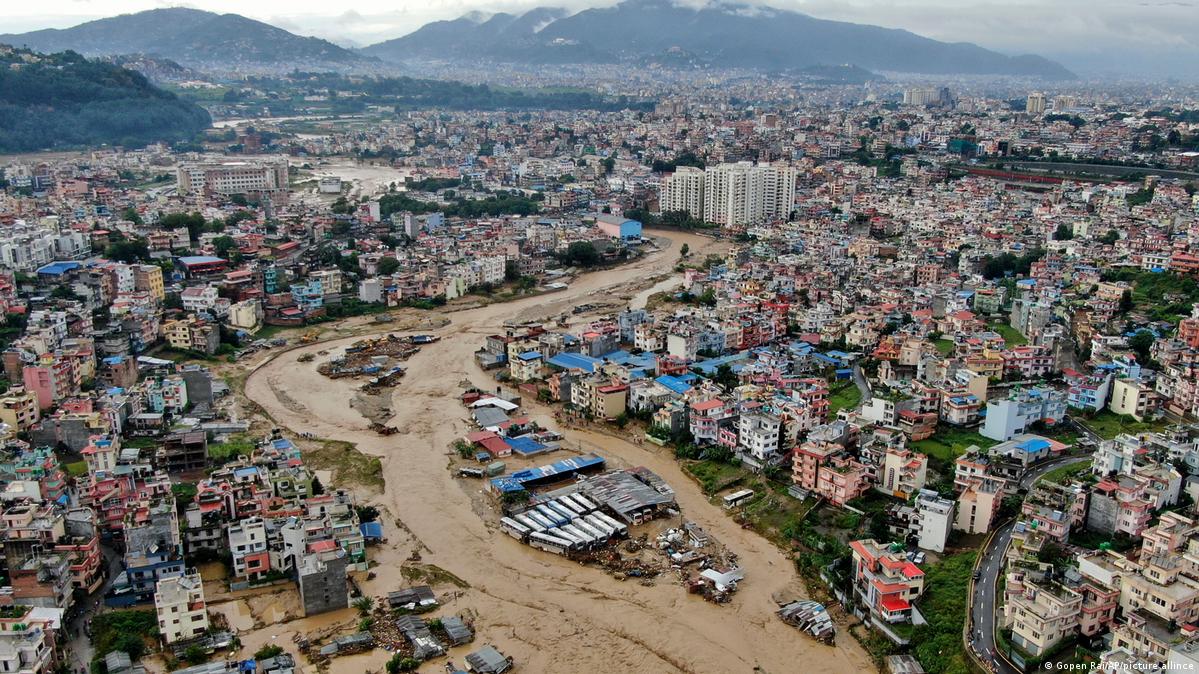
Nepali cities are getting hotter: Urban Heat Island effectEducation

Nepali cities are getting hotter: Urban Heat Island effect

This blog explains why Nepali cities are getting unusually hotter each year and how we can build resilience at the individual and city level.

Hridayana Lama Tamang's profile
Hridayana Lama Tamang
8 min read read
Biochar and Nepal: A Simple Climate Solution for FarmersEnvironment

Biochar and Nepal: A Simple Climate Solution for Farmers

Biochar is a simple, affordable, and climate‑friendly solution that can help Nepali farmers improve soil health, increase crop yields, and build resilience against climate change. This blog explains Nepal’s farming challenges, how biochar works, and real results from a long‑term study in Rasuwa.

Menaka Pun Magar's profile
Menaka Pun Magar
5 min read read
When the Pacific Decides Nepal's HarvestClimate Science

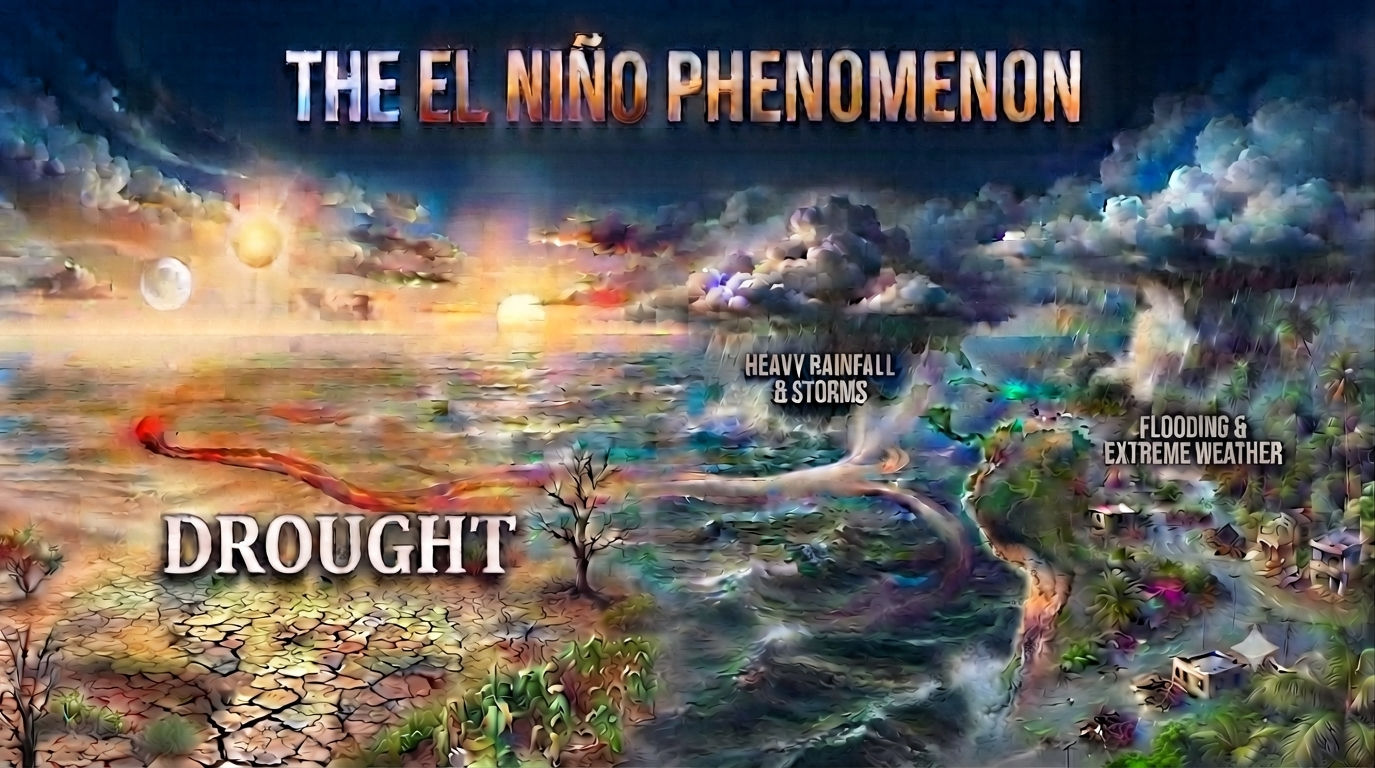
When the Pacific Decides Nepal's Harvest

A warming Pacific Ocean can shape the fate of Nepal's farms. As the possibility of a strong El Niño looms in 2026, this blog explores how distant climate changes influence Nepal's monsoon, agriculture, and food security, while highlighting why preparedness and resilience are essential for protecting farmers' livelihoods.

Sudha Subedi's profile
Sudha Subedi
9 min read read
Nature-based flood management in Nepal: challenges and prospectsEducation

Nature-based flood management in Nepal: challenges and prospects

The blog discusses the definition, measures, and benefits of Natural Flood Management (NFM) alongside its implementation in Nepal.

Hridayana Lama Tamang's profile
Hridayana Lama Tamang
10 min read read
The road carved by instincts: Monika, finds her way through climate space Voices & Stories

The road carved by instincts: Monika, finds her way through climate space 

‘Intimidation’ might feel like the last word you’d expect me to use, but that’s just what I felt at my first glance at NCH. My story was never about a burning deep passion, specifically related to climate change that led me to join. It was the contrary. After I had joined, I became genuinely motivated to work with passion in this field.

Monika Bhatt's profile
Monika Bhatt
7 min read read
Microplastic pollution in Nepal Himalaya: sources, distribution and impactEducation

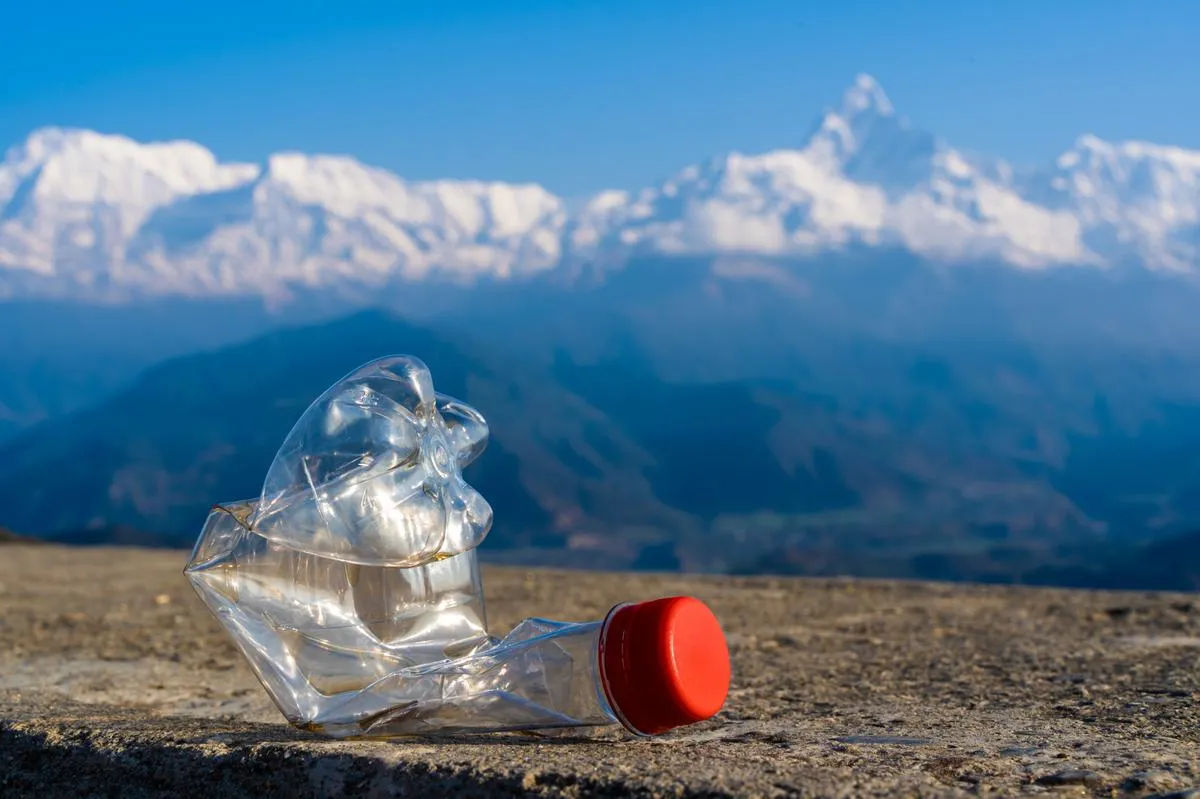
Microplastic pollution in Nepal Himalaya: sources, distribution and impact

The blog explores the presence, causes and consequences of microplastics in the Nepal Himalaya.

Hridayana Lama Tamang's profile
Hridayana Lama Tamang
7 min read read
Climate Change and the Silent Struggles of Rural Women in NepalCommunity

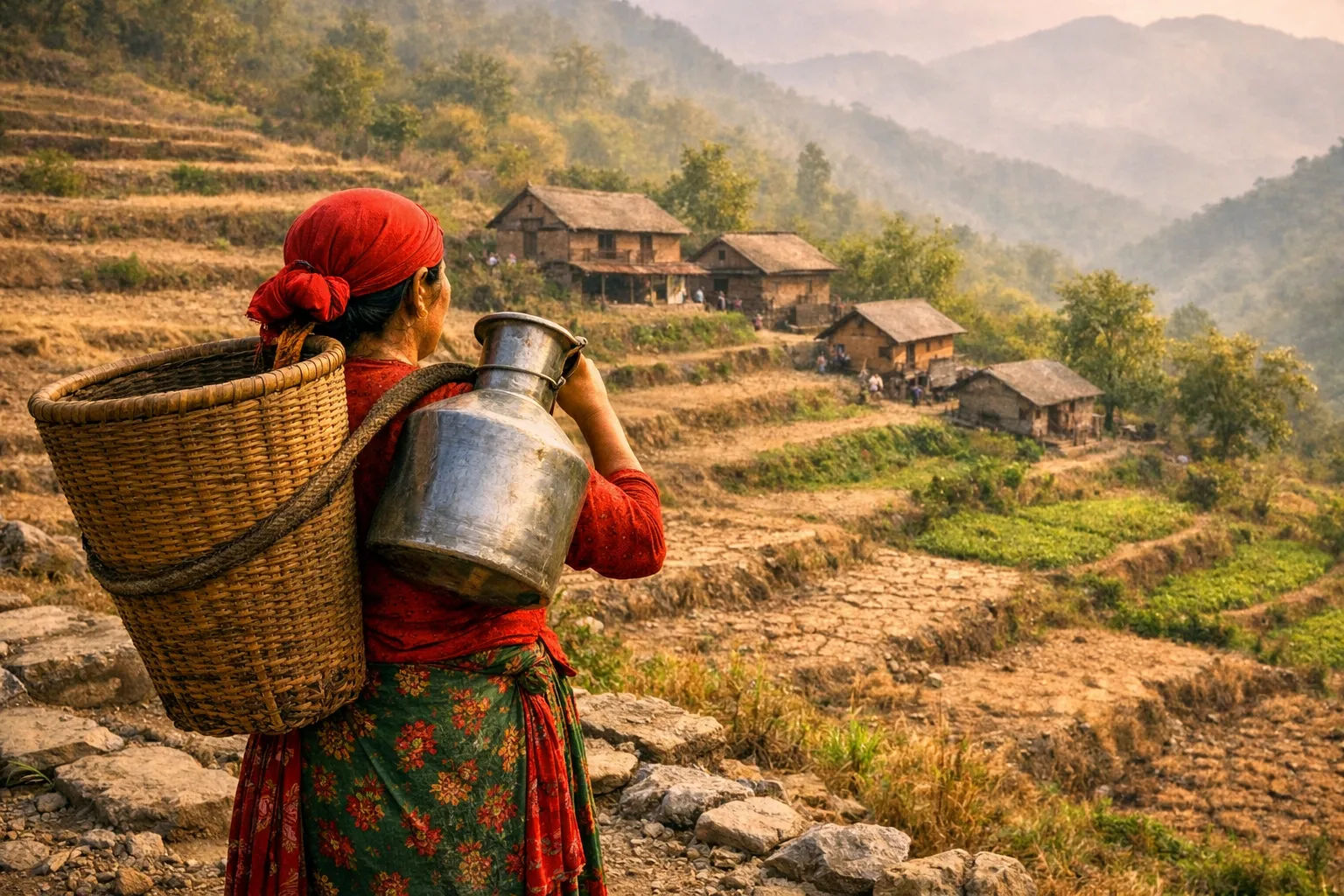
Climate Change and the Silent Struggles of Rural Women in Nepal

Rural women in Nepal face the heaviest impacts of climate change from drying water sources to declining crop yields. Their daily struggles often go unseen, yet their leadership in community based solutions shows how resilience grows from local knowledge and collective action.

Menaka Pun Magar's profile
Menaka Pun Magar
6 min read read
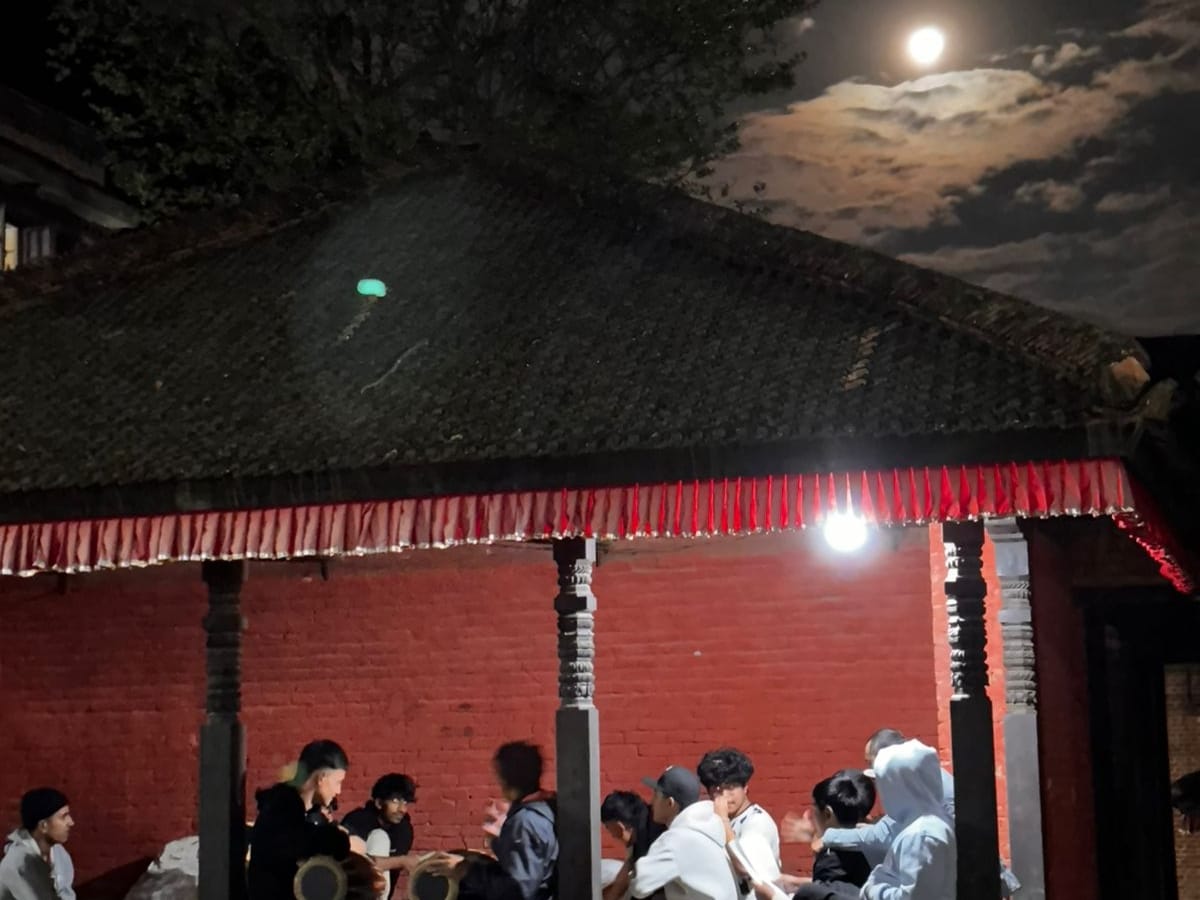
The sacred song of Nature, Faith, and Coexistence : Ancient Rhythms of Dafa Bhajan Voices & Stories

The sacred song of Nature, Faith, and Coexistence : Ancient Rhythms of Dafa Bhajan 

This blog explores Dafa Bhajan, an ancient Newar devotional musical tradition that reflects the interconnectedness of nature, faith, culture, and community. Through its seasonal ragas, rituals, and collective performances, Dafa Bhajan preserves ecological knowledge, cultural memory, and intergenerational traditions. The blog also highlights the inspiring youth led revival of this fading heritage in Panauti, showing how safeguarding indigenous cultural practices can strengthen community resilience and keep the stories of nature and coexistence alive in a changing world.

Shreya Piya's profile
Shreya Piya
6 min read read
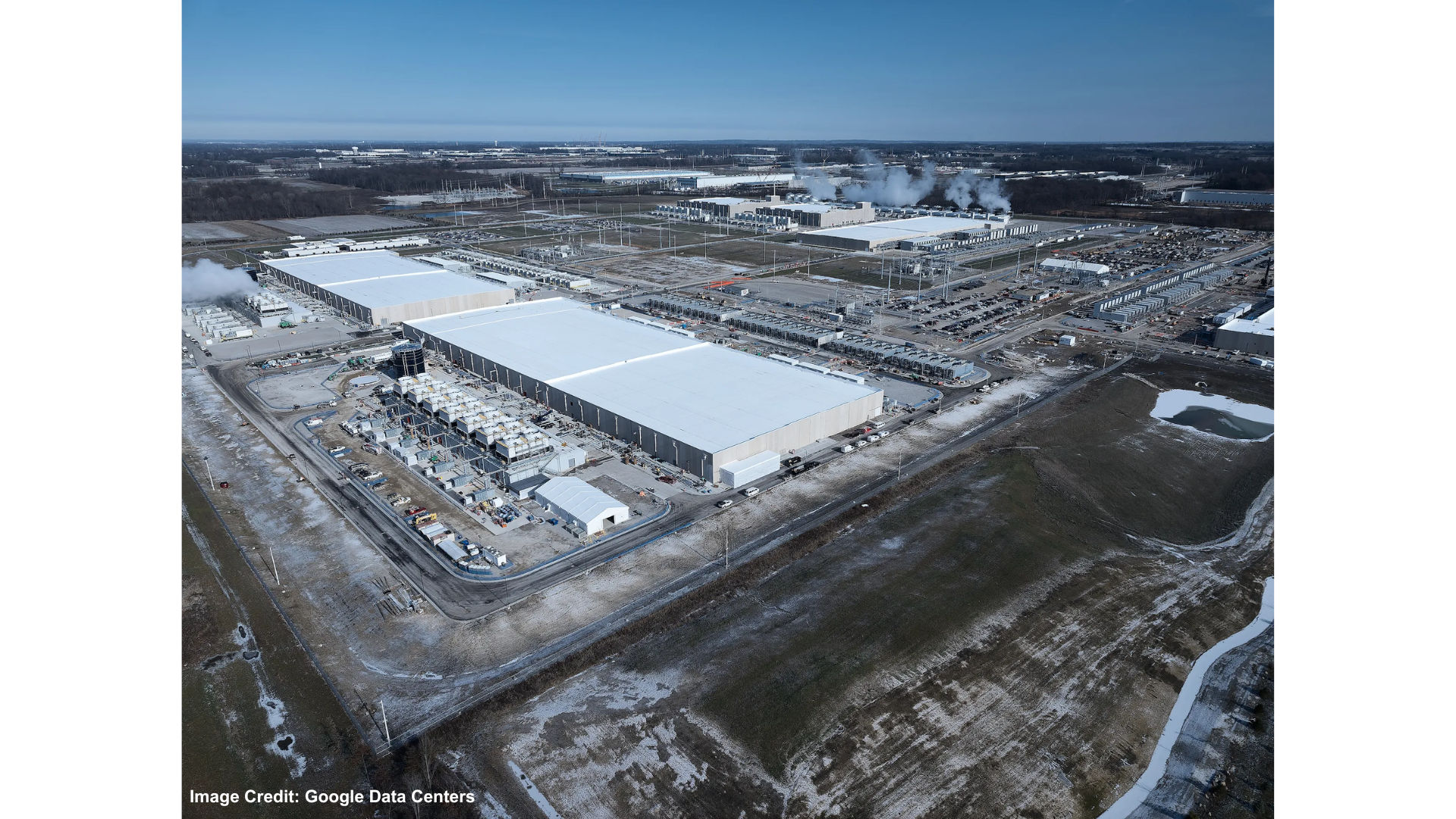
AI is draining water resources. Here’s how!Climate Justice

AI is draining water resources. Here’s how!

Whenever we give a prompt to ChatGPT or any other AI tools to summarize or ask any question, vast amounts of water is used. But why would an AI tool require water? And why is this scarce water depleting because of a boost in AI? 

Monika Bhatt's profile
Monika Bhatt
6 min read read
Himalayan Forests: Nature's Carbon Vaults and Why We Must Protect Them  Voices & Stories

Himalayan Forests: Nature's Carbon Vaults and Why We Must Protect Them

Explores how shifting flowering times of Kafal and Buransh in Uttarakhand reveal Himalayan forests' declining ability to store carbon, linking this to REDD+ policy and community forestry efforts across India, Nepal, and Bhutan.

Anjali Rawat's profile
Anjali Rawat
10 min read read
Agricultural Resilience in Nepal: Learning from the Past, Building for the FutureSustainability

Agricultural Resilience in Nepal: Learning from the Past, Building for the Future

From Tara Pariyar's transformation in western Nepal's mountains to the terraced hillsides and kulos that have sustained farmers for generations, this blog argues that agricultural resilience is not something Nepal needs to invent, it already exists in the hands of its farmers, and what remains is a decision to support it.

Sudha Subedi's profile
Sudha Subedi
8 min read read
There Is No Such Thing as a ‘Natural’ DisasterSustainability

There Is No Such Thing as a ‘Natural’ Disaster

Aadya Tyagi's profile
Aadya Tyagi
10 min read read
A Space to Learn, Contribute, and Connect: My journey at LCOY Nepal 2024Voices & Stories

A Space to Learn, Contribute, and Connect: My journey at LCOY Nepal 2024

Some opportunities stay with us long after they end. Reflecting on my journey at LCOY Nepal 2024, this experience became more than volunteering; it opened space for learning, collaboration, and connections that continue to shape my climate journey today.

Gayatri Bhattarai's profile
Gayatri Bhattarai
4 min read read
The Majhi of Nepal: River People, Nature Worship and a Vanishing Way of Life Voices & Stories

The Majhi of Nepal: River People, Nature Worship and a Vanishing Way of Life 

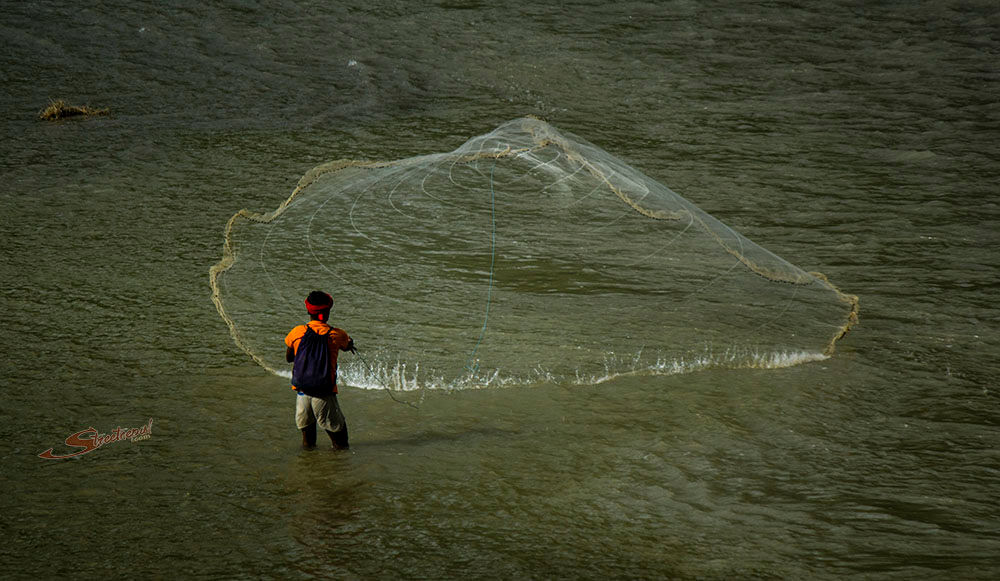
This blog explores the life, culture, and environmental relationship of the Majhi community of Nepal, often known as the “river people.” It highlights how the Majhi have lived in deep connection with rivers for generations through fishing, boat making, ferrying, farming, and nature worship practices such as Ladi Puja. The blog also examines their indigenous ecological knowledge and sustainable ways of living in harmony with nature. At the same time, it discusses how modernization, hydropower projects, environmental degradation, and changing river systems are threatening their traditional livelihoods and cultural identity. Through the story of the Majhi community, the blog reflects on resilience, cultural preservation, and the urgent need to rethink humanity’s relationship with nature in a rapidly changing world.

Shreya Piya's profile
Shreya Piya
8 min read read
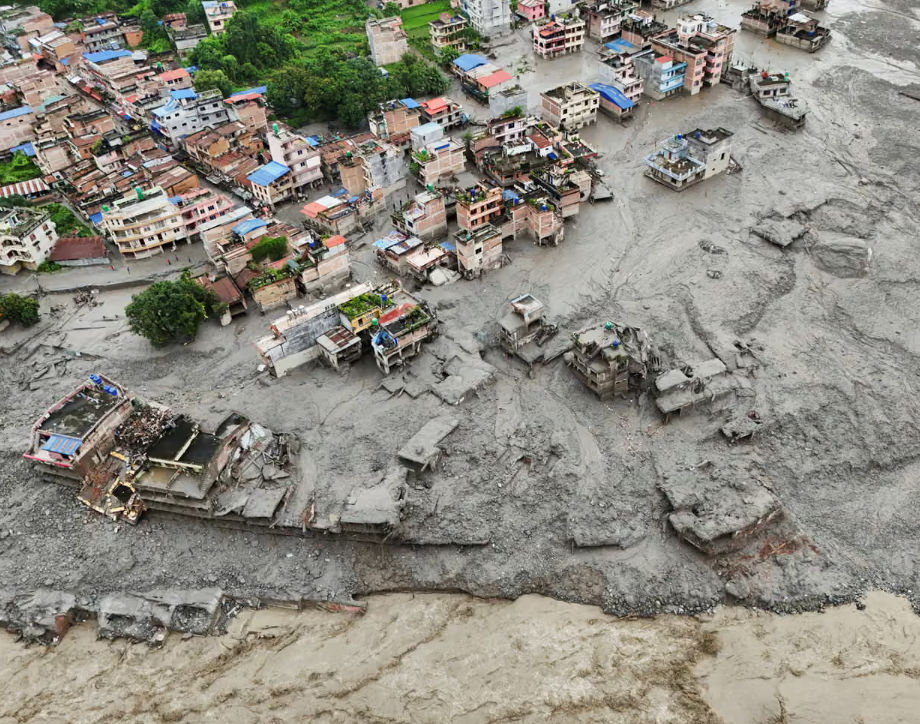
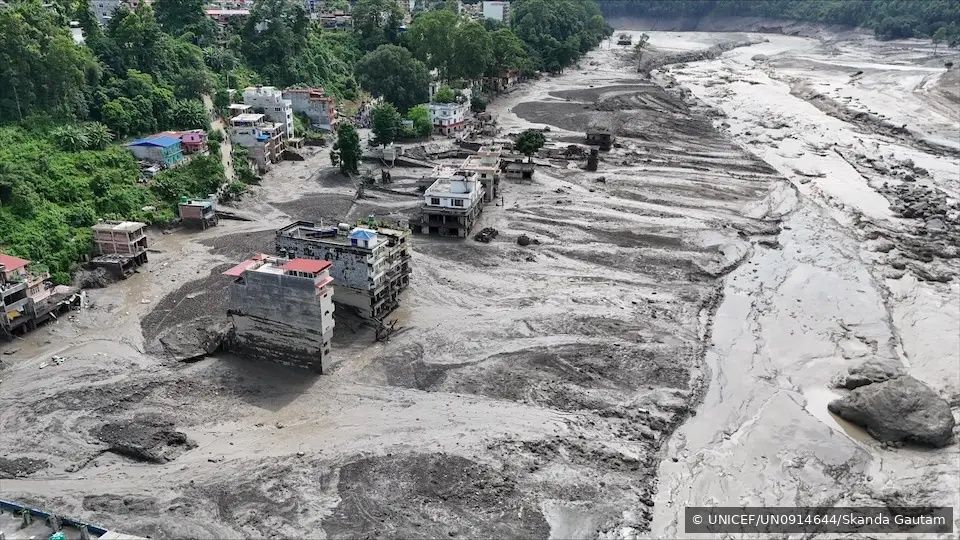
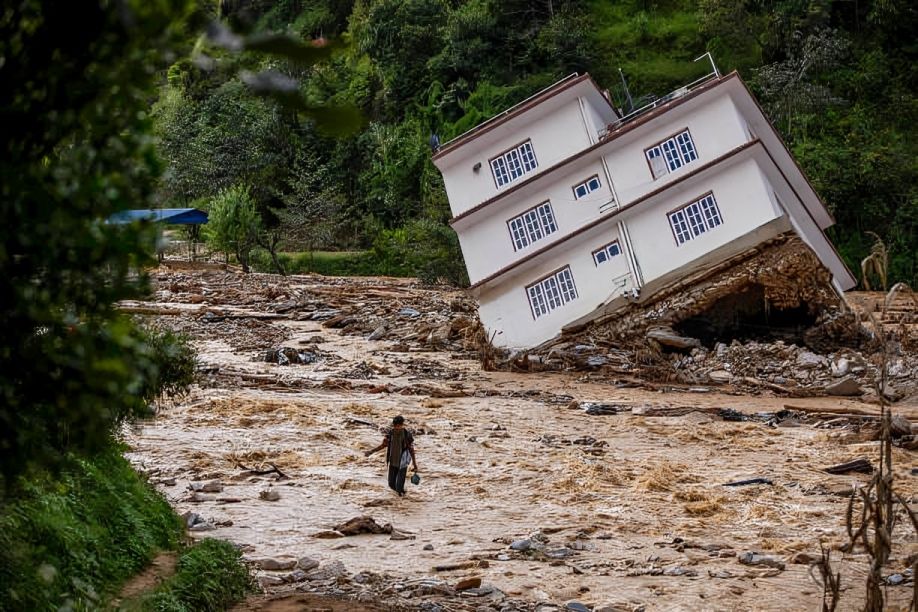
The Warning That Never Came: Lessons from the Roshi River FloodEnvironment

The Warning That Never Came: Lessons from the Roshi River Flood

Senchen Thamsuhang's profile
Senchen Thamsuhang
7 min read read
Climate Change: Mechanisms, Global Drivers, Socio-Ecological Impacts, and, Livestock and Crop Production DynamicsEducation

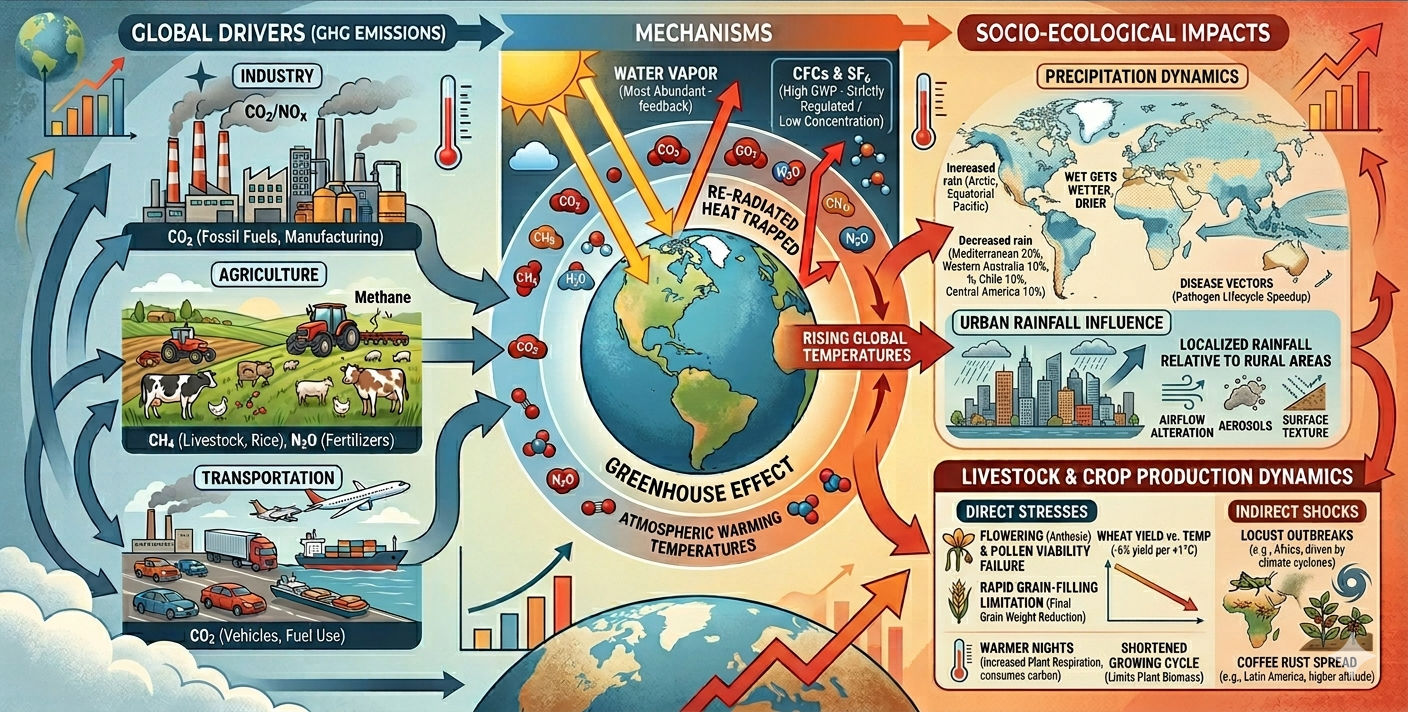
Climate Change: Mechanisms, Global Drivers, Socio-Ecological Impacts, and, Livestock and Crop Production Dynamics

Anthropogenic climate change is primarily driven by rising greenhouse gas emissions from fossil fuel combustion and industrial processes across the manufacturing, agriculture, and transportation sectors. Once released, high-volume gases such as carbon dioxide, methane, and nitrous oxide trap re-radiated heat within the atmosphere, steadily driving up global temperatures. This warming severely disrupts global precipitation dynamics—causing intense urban flash flooding, acute regional droughts, and an expanded geographic range for infectious disease vectors. Consequently, these socio-ecological disruptions heavily strain agricultural systems by inducing direct thermal stress during critical crop reproductive phases, lowering livestock forage quality, and fueling destructive pest and disease outbreaks.

Aastha Scientific Reserch Service Pvt. Ltd.'s profile
Aastha Scientific Reserch Service Pvt. Ltd.

14 min read read
Hacking for a Carbon-Free Future: Nepal's Youth-Led Climate Innovation Hackathon is HappeningCommunity

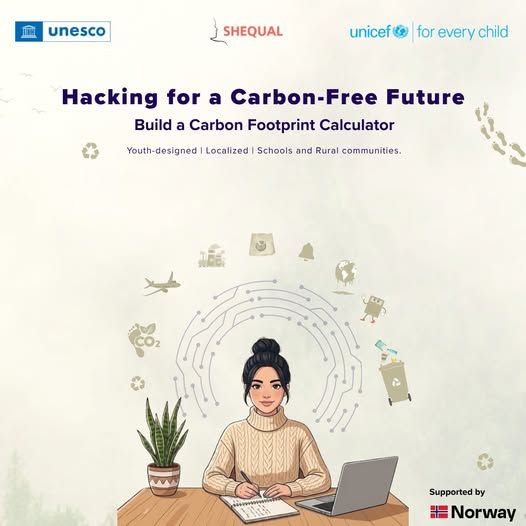
Hacking for a Carbon-Free Future: Nepal's Youth-Led Climate Innovation Hackathon is Happening

Shequal Foundation, UNESCO, and UNICEF are calling on Nepal's youth to co-design a carbon footprint calculator that gives schools a practical tool to track, understand, and reduce their emissions.
Bibek Pant's profile
Bibek Pant
4 min read read
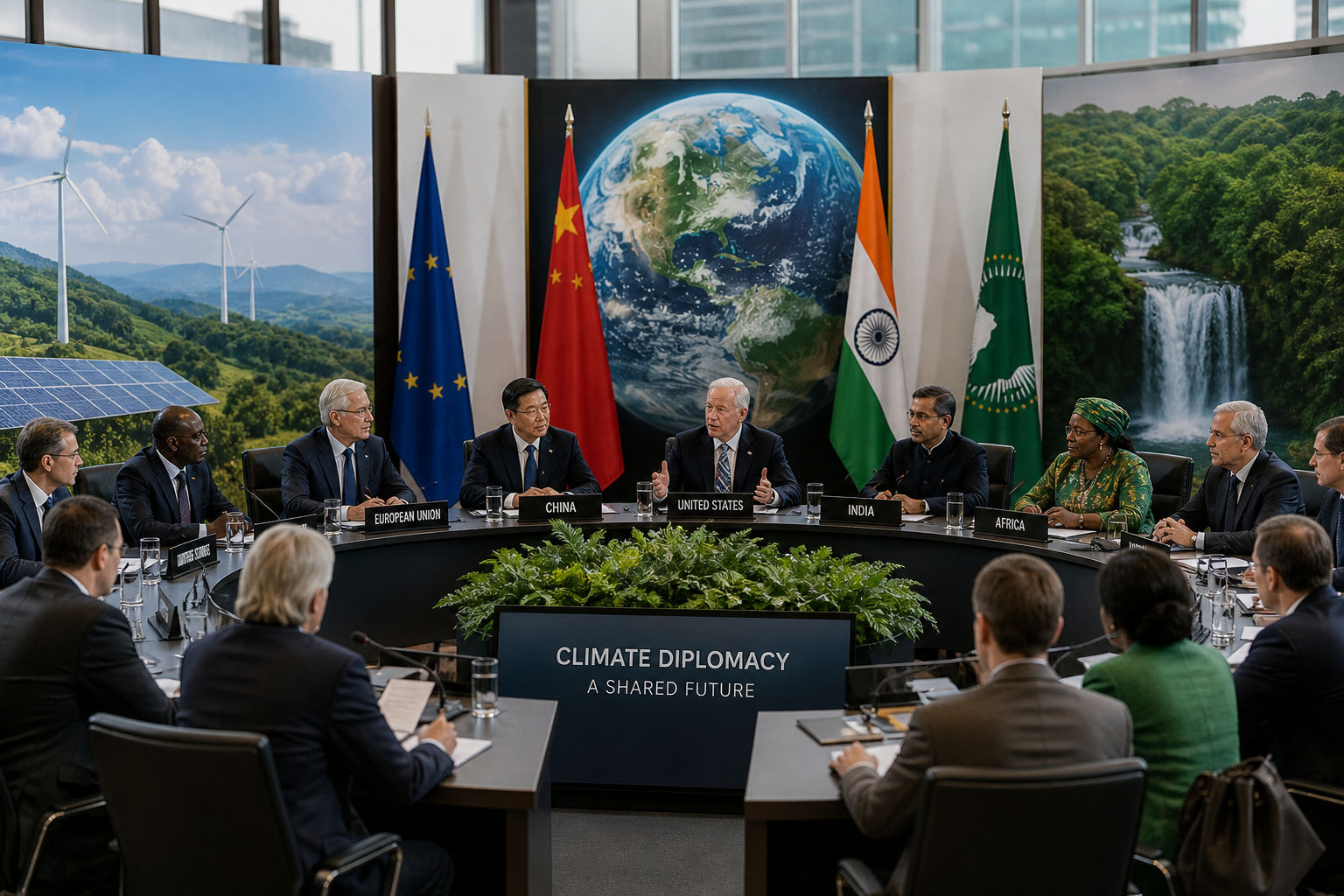
Climate Diplomacy: Between Justice and World OrderClimate Policy

Climate Diplomacy: Between Justice and World Order

The large part of climate diplomacy rests upon the question: Who is to blame for climate change problems? 

Susmita Aryal's profile
Susmita Aryal
8 min read read
My Climate JourneyVoices & Stories

My Climate Journey

My climate change journey started during my postgraduate studies at the Central Department of Rural Development, Tribhuvan University. We had a subject sustainable development with climate change-related theories. At that time, climate change was only a concept that was explained through theories, reports, and frameworks.

Yadav Singh Dhami's profile
Yadav Singh Dhami
4 min read read
Not Just Another DefinitionVoices & Stories

Not Just Another Definition

It started with a definition and ended up questions I couldn't ignore. This is a small, honest reflection of how my understanding of climate change has evolved.

Gayatri Bhattarai's profile
Gayatri Bhattarai
3 min read read
The“Third Pole”: Why the HKH Matters Beyond South AsiaClimate Science

The“Third Pole”: Why the HKH Matters Beyond South Asia

The Hindu Kush Himalaya, as the “Third Pole,” is a critical global cryospheric system that regulates water, climate, and food security for billions beyond South Asia.

Biswash Kaphle's profile
Biswash Kaphle
9 min read read
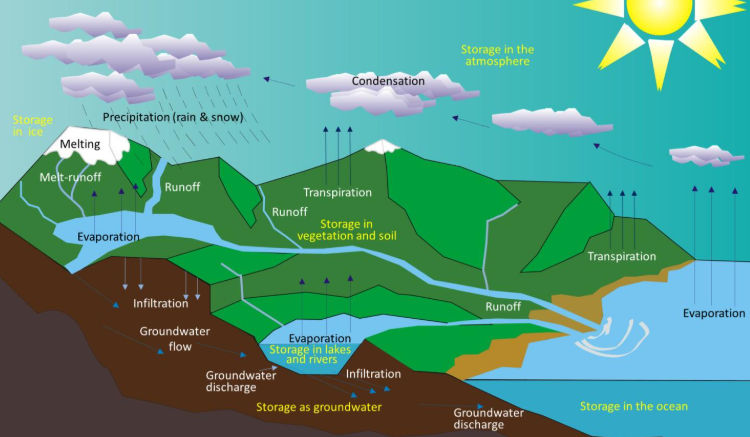
Glaciers, Snow, and Rivers: How HKH Water Is Stored and ReleasedClimate Science

Glaciers, Snow, and Rivers: How HKH Water Is Stored and Released

The Hindu Kush Himalaya stores water across layered systems, snow, glaciers, permafrost, and groundwater that regulate when and how water is released downstream.

Biswash Kaphle's profile
Biswash Kaphle
7 min read read
How Climate Change Is Reshaping Mountain Water SystemsClimate Science

How Climate Change Is Reshaping Mountain Water Systems

Climate change is transforming Himalayan Mountain hydrology from a buffered, predictable system into a fast, unstable amplifier of floods, sediment, and water variability.

Biswash Kaphle's profile
Biswash Kaphle
9 min read read
Why Nepal Lies at the Hydrological Heart of the Hindu Kush HimalayaClimate Science

Why Nepal Lies at the Hydrological Heart of the Hindu Kush Himalaya

Nepal, despite its small size, acts as a hydrological “control valve” in the Hindu Kush Himalaya, shaping river flows, sediment, and climate signals that determine water security across South Asia.

Biswash Kaphle's profile
Biswash Kaphle
11 min read read
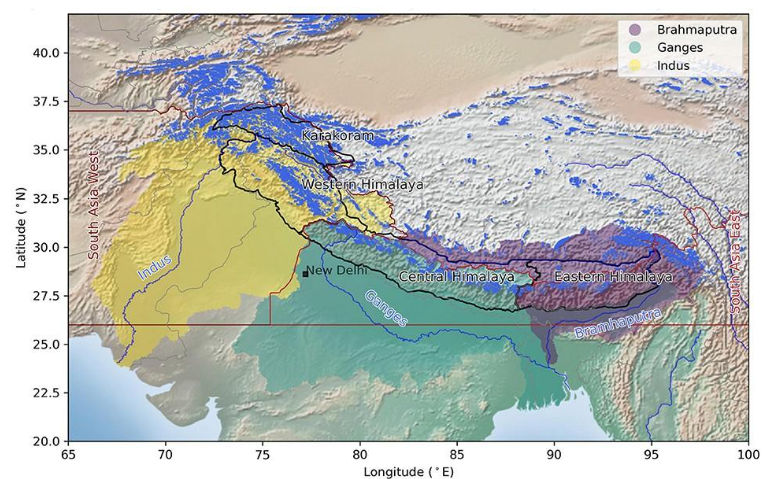
The Hindu Kush Himalaya: Water Tower of AsiaClimate Science

The Hindu Kush Himalaya: Water Tower of Asia

The Hindu Kush Himalaya acts as Asia’s “Water Tower,” regulating water for billions, but climate change is disrupting its delicate balance, causing both increased flood risks and future water scarcity.

Biswash Kaphle's profile
Biswash Kaphle
9 min read read
Kathmandu Is Running Out of Breath, and So Is Nepal’s Health SystemEnvironment

Kathmandu Is Running Out of Breath, and So Is Nepal’s Health System

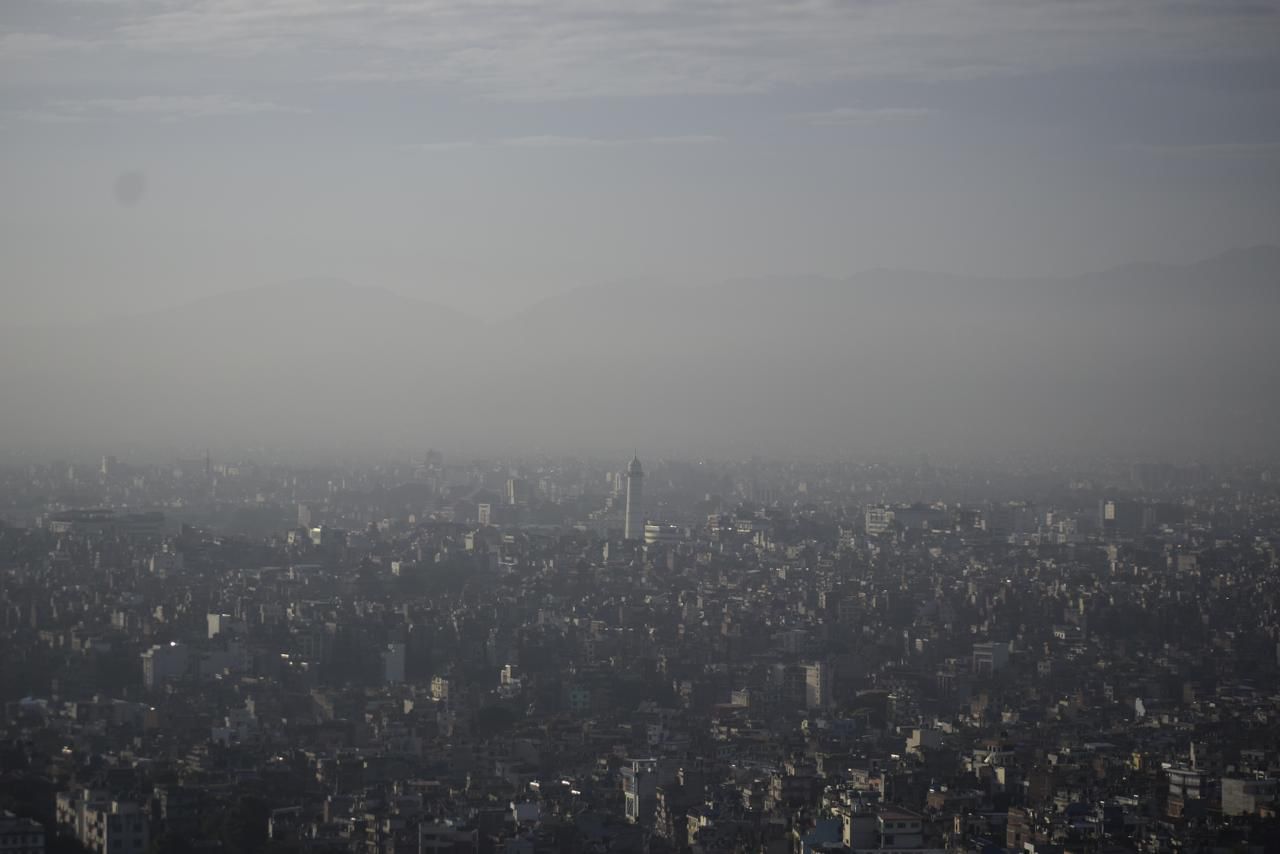
The concrete jungle is covered with layers of polluted haze as anyone would gaze from the hilltop of Swayambhu or any of the hill stations surrounding the valley. The density of haze increases further when one starts climbing up the hills, reducing visibility, dampening the green hill slopes that surround the bowl-shaped valley. With an increase in pollutant levels in the atmosphere, which ultimately thickens the air, it results in flight delays, schools are forced to stop physical classes, and a thick layer of pollutants swamps the faces of commuters. This alarming situation often leads people to the emergency wards of government hospitals, exceeding the typical occupancy limit. The fact that Nepal's air crisis has escalated from an environmental issue to a national health emergency is a deep concern.

Nischal Raj Gautam's profile
Nischal Raj Gautam
14 min read read
A Small Moment in the Mountains That Changed My PerspectiveVoices & Stories

A Small Moment in the Mountains That Changed My Perspective

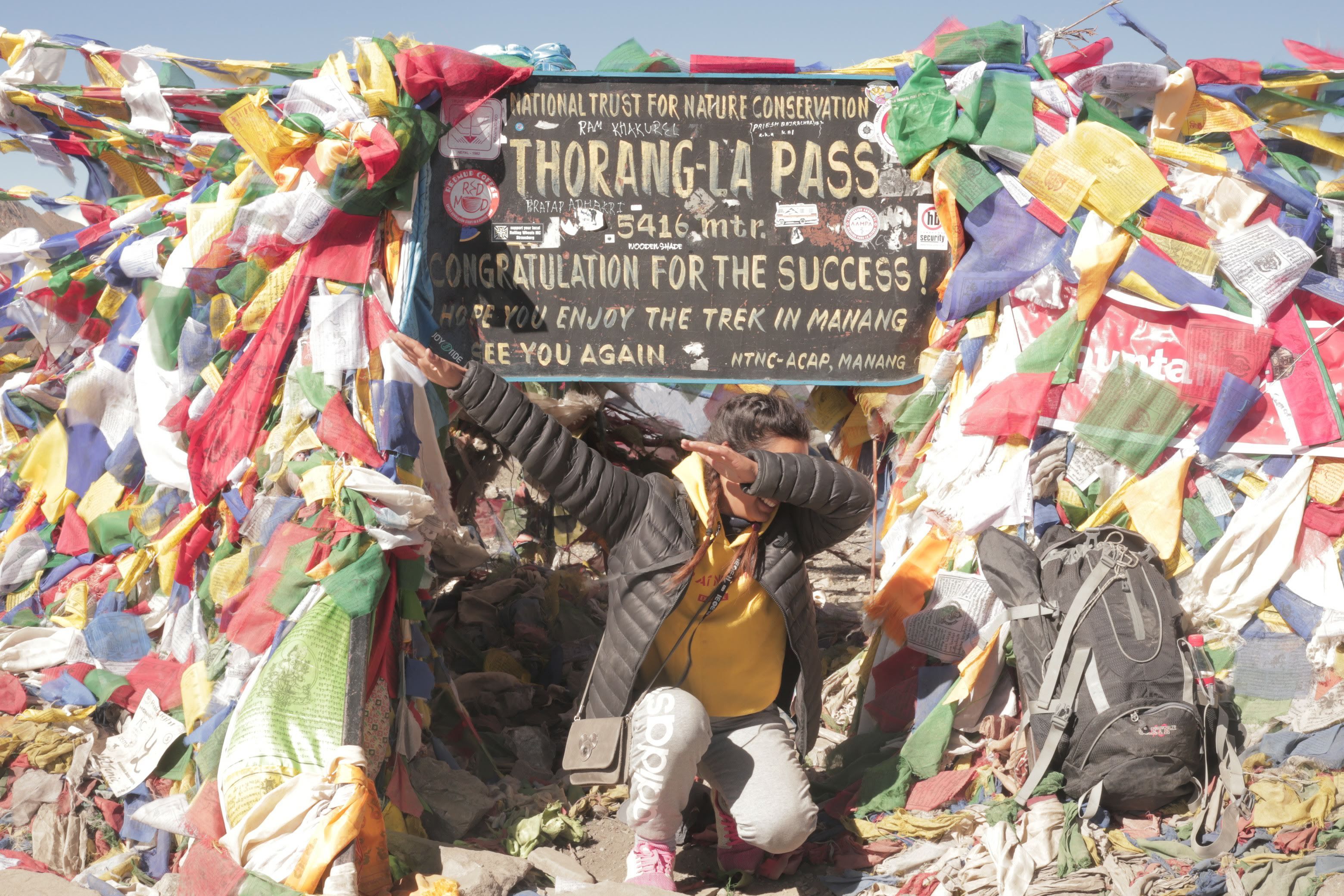
A small moment during my Annapurna Circuit trek changed the way I see the environment forever. From that realization to becoming a UI/UX designer at Nepal Climate Hub, this journey reflects how personal experiences can shape our values and lead us toward meaningful contributions in climate awareness and action.

Jyoti Sapkota's profile
Jyoti Sapkota
4 min read read
Disability Inclusion and an Intersectional Lens in Climate Conversations Among Youth OrganizationsClimate Justice

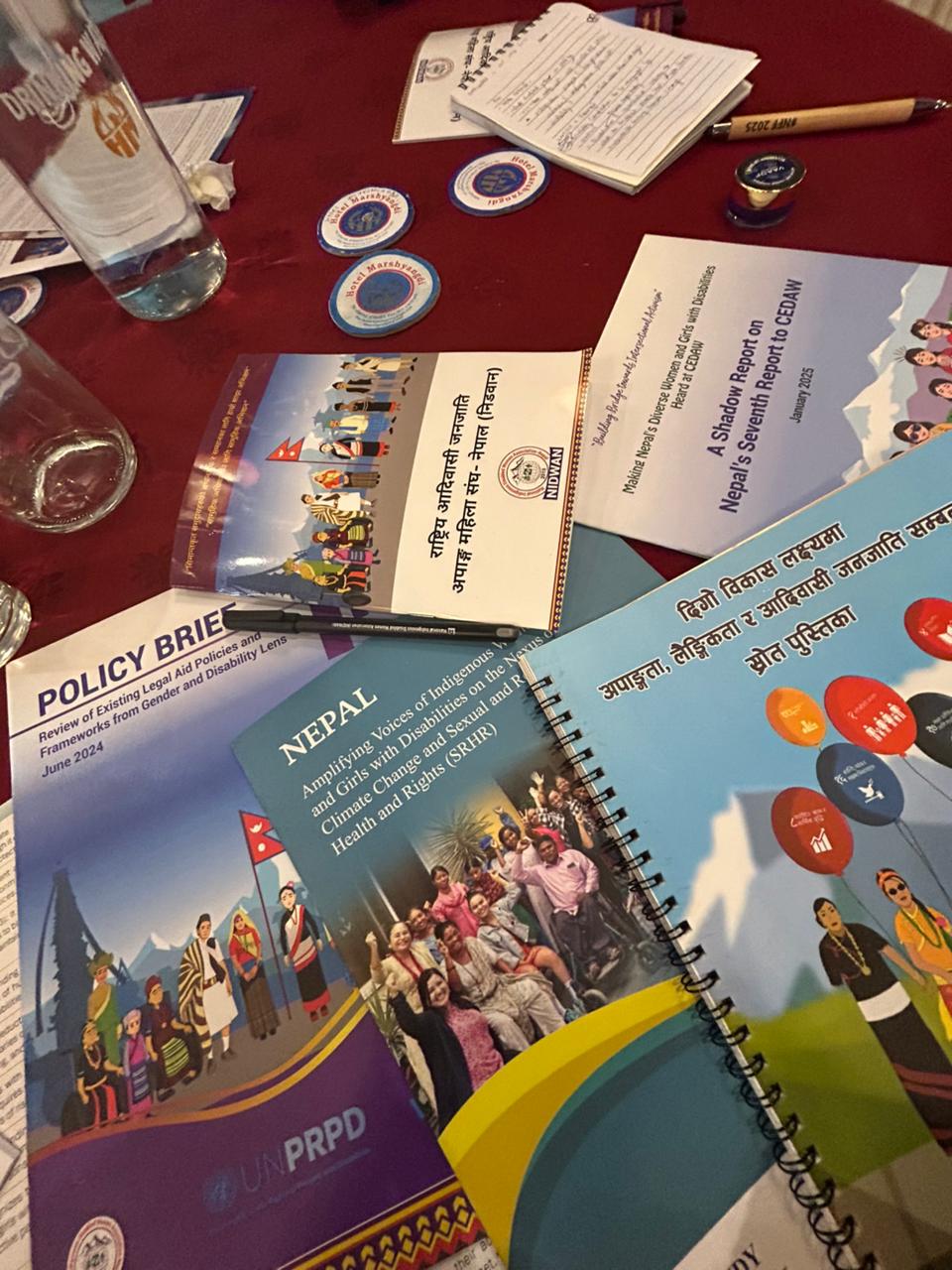
Disability Inclusion and an Intersectional Lens in Climate Conversations Among Youth Organizations

Dipika Khadka's profile
Dipika Khadka
3 min read read