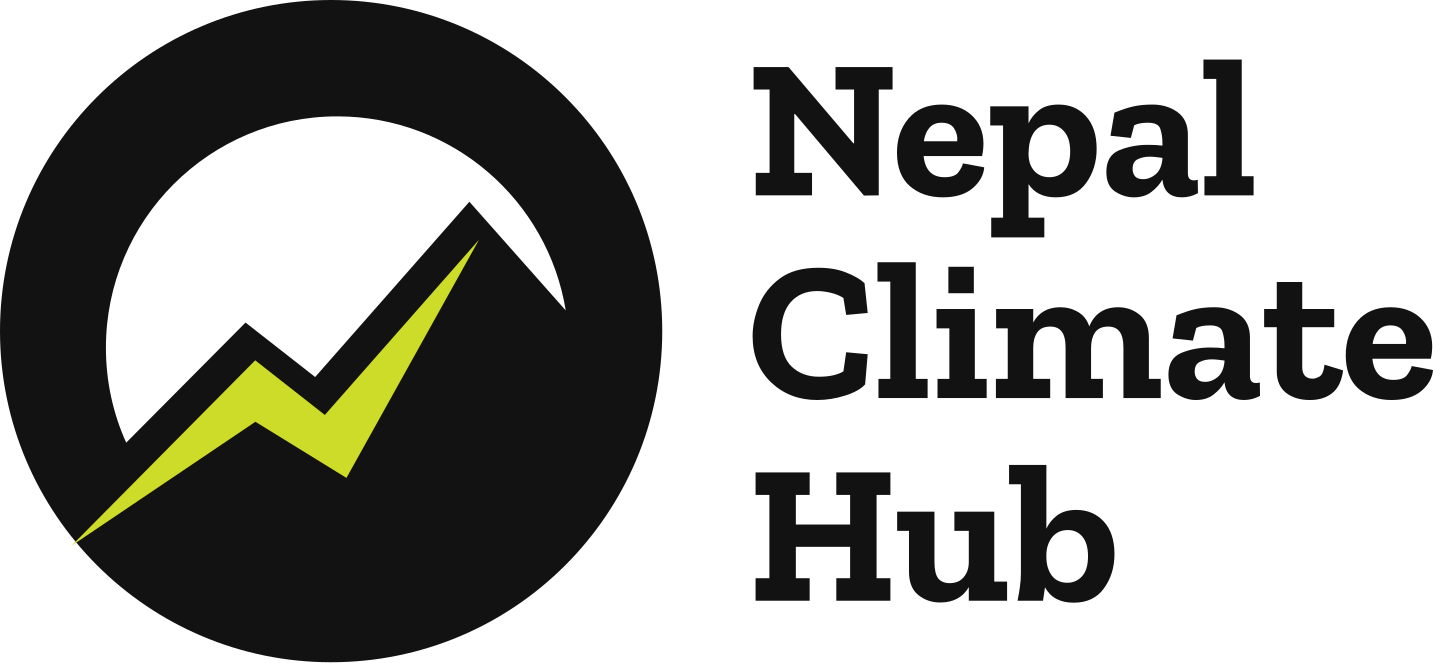

In 2018, I went trekking on the Annapurna Circuit with a few of my friends. It was one of those journeys that stays with you for a lifetime. After visiting the beautiful Tilicho Lake, we continued our trek toward Thorong La Pass. After 8 to 9 days of walking through the rugged Himalayan trails, the day finally arrived when we would cross one of the world’s highest mountain passes.
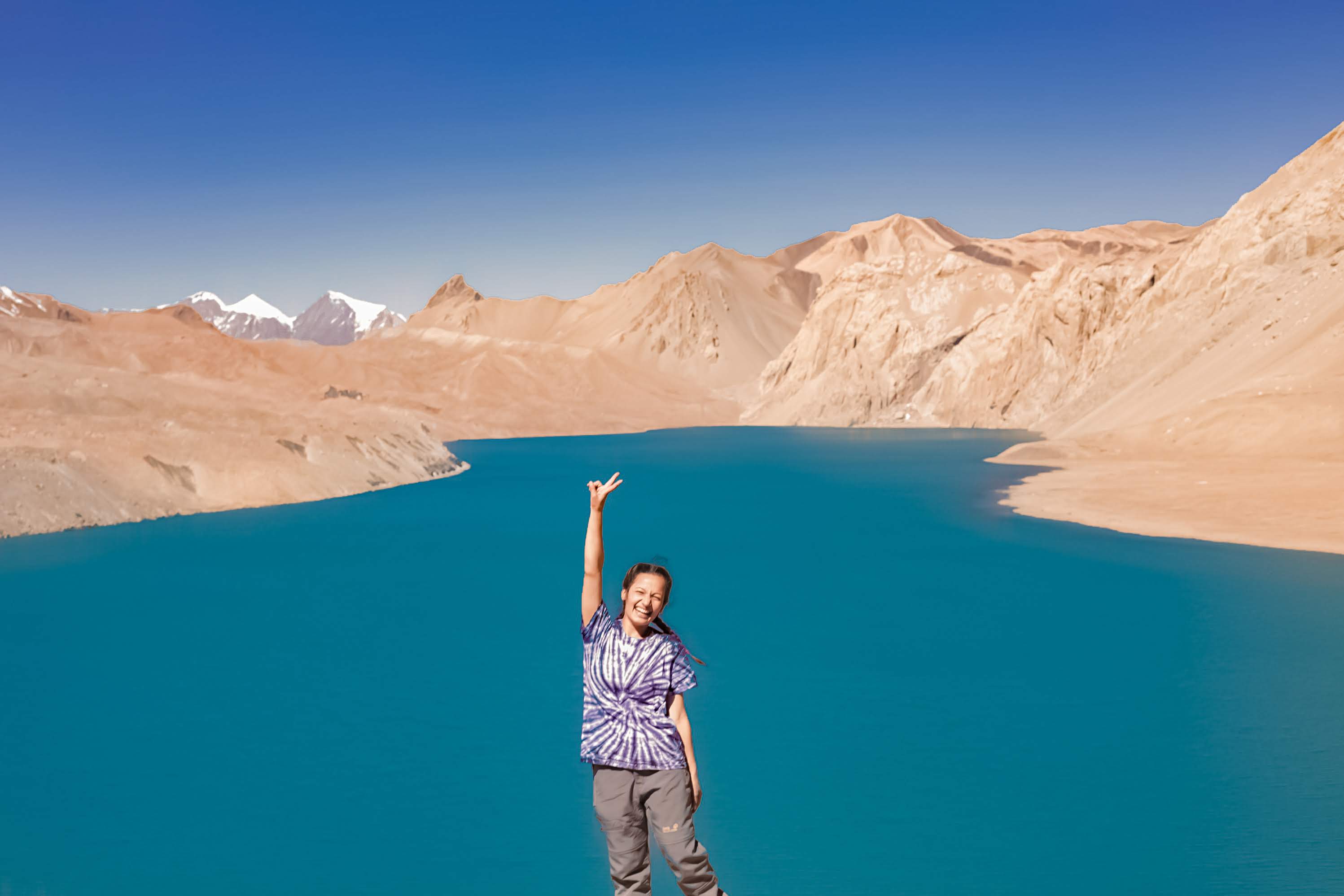
Walking at such a high altitude is never easy. Breathing becomes heavier, every step feels slower, and even simple things start to feel difficult. I had heard from other trekkers that drinking Coke sometimes helps when you feel short of breath at high altitude, so I bought a small bottle and drank it along the trail.
Without thinking much about it, I threw the empty bottle along the path.
Just a few moments later, a man walking behind me quietly picked up the bottle and placed it in his bag.
That simple action struck me harder than any lecture on environmental protection ever could. In that brief moment, I felt a deep sense of realization. I understood that the mountains we were enjoying so much deserved our respect and care. From that day onward, my relationship with the environment changed.
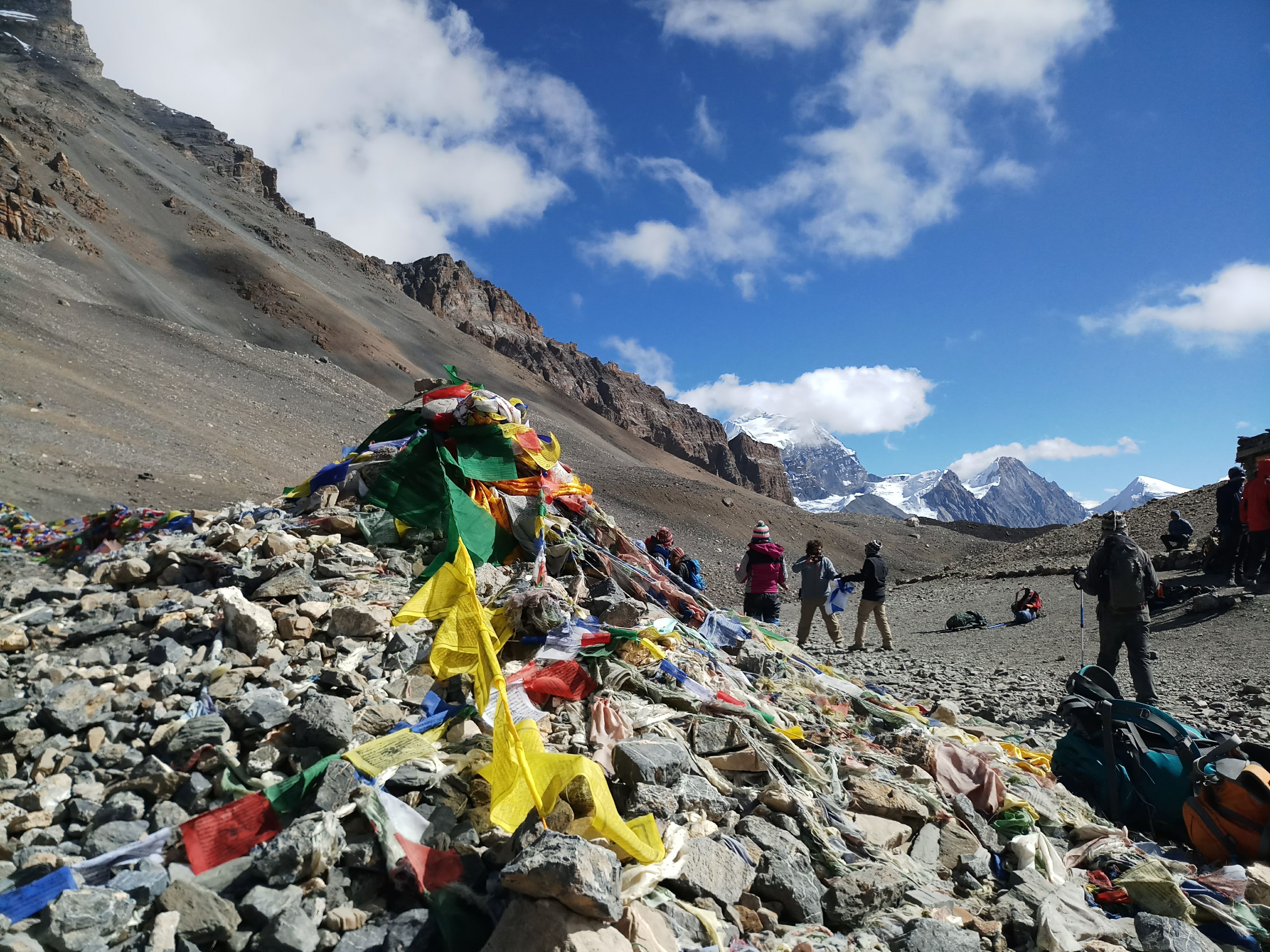
Sometimes, it only takes a single moment to shift the way we see the world. After that trek, I started observing small details—first in my own actions, and then in those around me: my family, friends, and community. How do we interact with the environment? What things do we take for granted?
Another pivotal moment in my life was hearing that “Machapuchare is slowly turning into black stone.” Being a Pokhareli who adores spending time outdoors and loves trekking, this brought up deeper questions. That reflection led me to the topic of climate change. I knew it was a huge issue, but never had I felt it so close to me. I guess it’s only when we start to lose what we love that we truly realize its significance.
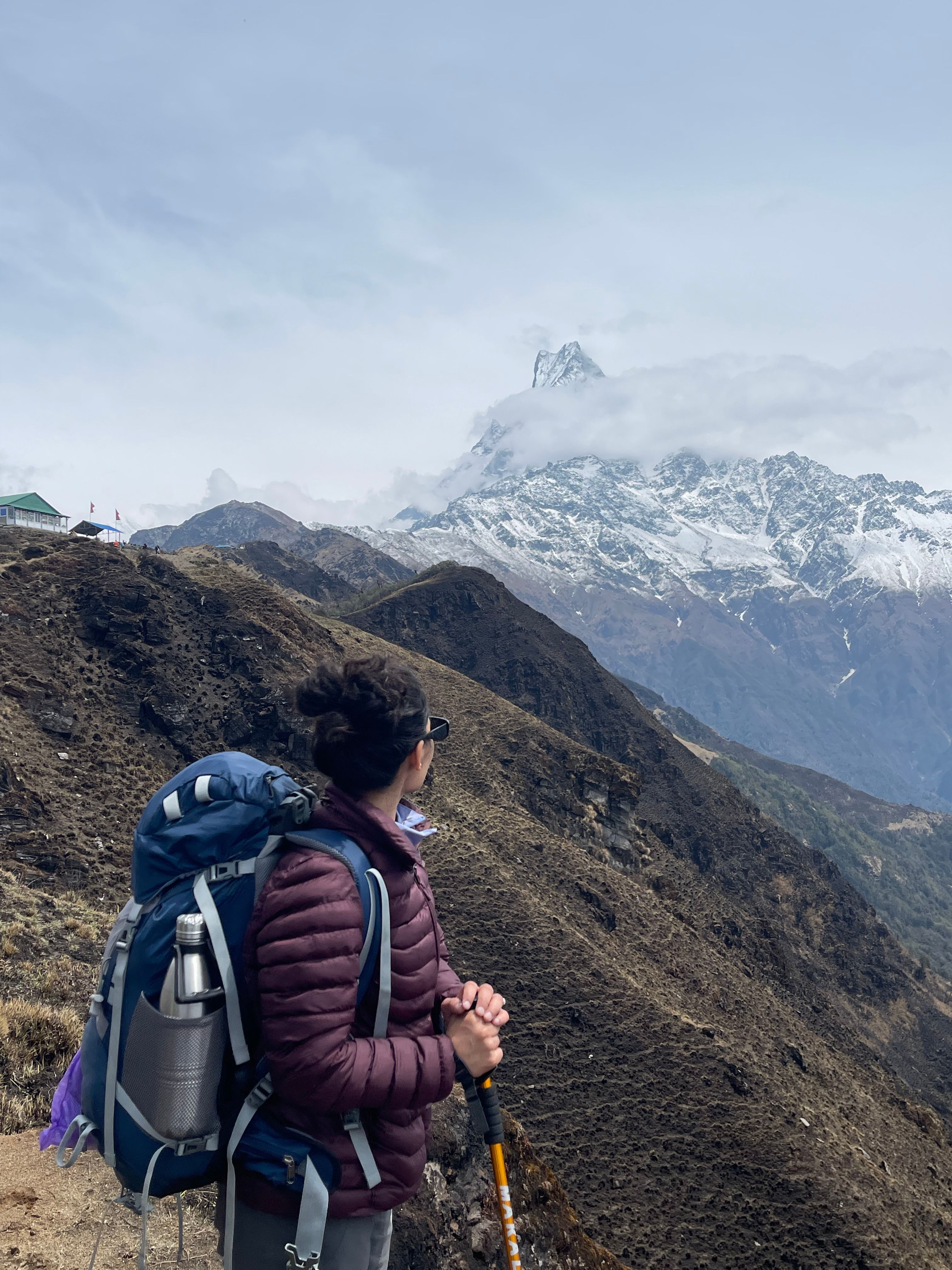
Since then, I have been trying to learn more about the issue—what role I can play and how I can connect with others. At first, it felt overwhelming. Perhaps this struggle to connect and learn more about the environment and climate change was influenced by my core engineering background. I never had close exposure to the climate and environmental community to learn, contribute, and grow.
Years later, I finally discovered Nepal Climate Hub through LinkedIn. It was an interesting organization with a diverse group of people. As I explored their profile, I knew I wanted to be part of it. Soon after, when I saw a volunteering opportunity related to design, I immediately applied—and the rest is history.
Today, I work with Nepal Climate Hub as a UI/UX designer, while also contributing to the promotion and content planning of the platform. Being part of this team has given me the opportunity to learn more deeply about climate change, its impacts, and the different ways individuals and communities can contribute to addressing it.
Through this journey, I have realized that climate action does not always start with large-scale movements or policies. Sometimes, it begins with small personal choices—like picking up a plastic bottle on a mountain trail.
Working with Nepal Climate Hub has allowed me to be part of something I always wanted: contributing to a platform that spreads awareness, shares knowledge, and encourages people to take responsibility for the environment.
The mountains once taught me a quiet but powerful lesson. Today, through my work, I hope to help create digital spaces that encourage more people to learn, reflect, and take action for the planet we all share.