

The People Who Cannot Afford to Escape the Heat
When temperatures rise, some people turn on the air conditioner, move indoors or leave the city. Others have no such choice. For them, escaping the heat can mean losing the income their families depend on.
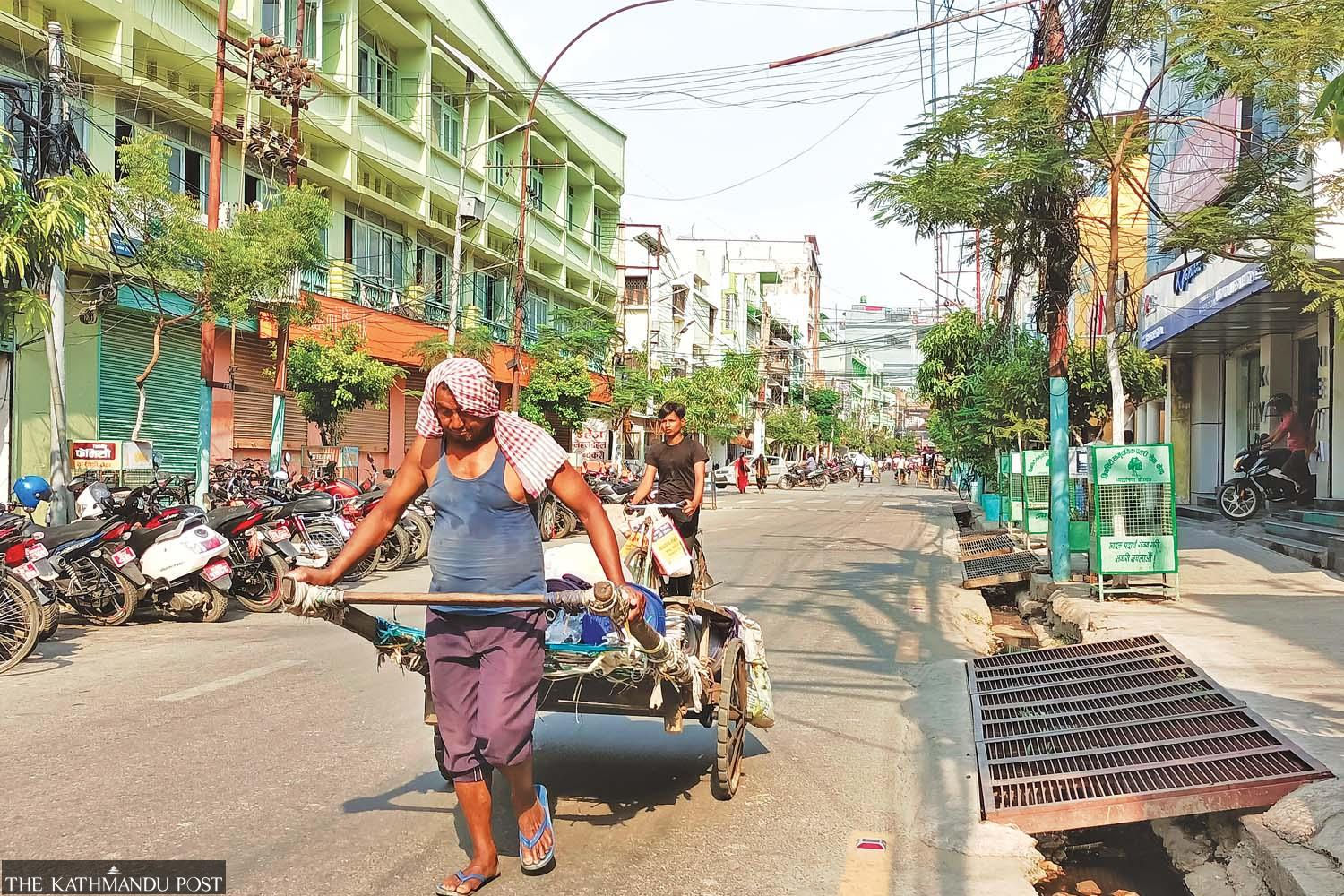
Fig 1: A man pulling a loaded cart through the midday heat in Birgunj, where temperatures reached 41°C during the 2023 heatwave.
Imagine standing on a road in the Terai at two in the afternoon. The sun has been beating down for hours. The road radiates heat, the air feels heavy, and even standing still becomes exhausting.
Now imagine having to spend the next six hours there, not because you want to, but because your income depends on it.
For a construction worker carrying bricks, a rickshaw puller waiting for passengers, a street vendor selling vegetables or a farmer working in the fields, extreme heat is not simply unpleasant weather. It is a threat to their health, their earnings and, ultimately, their ability to provide for their families.
While some people can escape the heat by staying indoors, using cooling systems or changing their daily routines, millions cannot. They have to keep working, even when their bodies are telling them to stop.
And that is where the inequality of extreme heat becomes impossible to ignore.
When staying home is not an option
In July 2026, The Kathmandu Post reported the experience of 67-year-old Gopal Damai, who has pulled a rickshaw in Mahendranagar for four decades. As temperatures approached 40°C, he could no longer work through the afternoon. He shifted his working hours to mornings and evenings, but some days he earned less than Rs100. He even had to buy vegetables on credit.
More than 250 kilometres away, in Gulariya, 37-year-old street vendor Puja Bhujuwa continued pushing her cart and roasting corn in the heat because her family depended on the income. With fewer customers venturing outside, her sales had fallen.
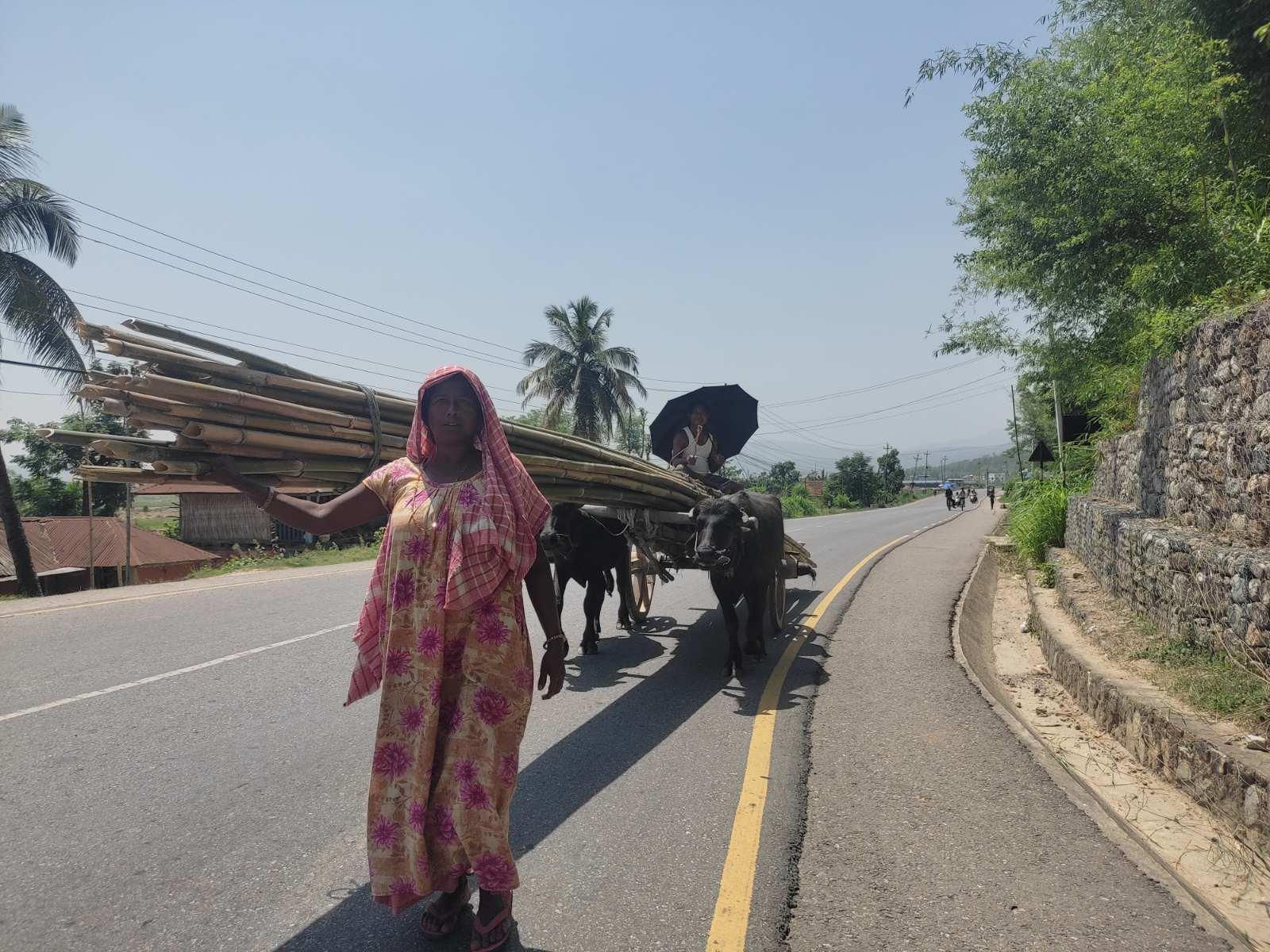
Fig 2: For people dependent on physical labour, extreme heat does not necessarily mean the working day can stop.
These are not simply stories of people struggling through a hot summer. They reveal a difficult contradiction: the people who are most exposed to extreme heat are often the ones with the least freedom to avoid it.
A person with a salaried job may be able to work from home or take leave. Someone with a well-built house can close the windows, use a fan or turn on an air conditioner. But for a daily-wage worker, missing even a few hours of work can mean less money for food, rent, medicine or school expenses.
The advice to avoid outdoor activities during the hottest hours sounds reasonable. But what happens when those hours are also when a person must earn their living?
A 2026 study reported by The Kathmandu Post found that 46 percent of 305 surveyed migrant and informal workers in Kathmandu said extreme heat had negatively affected them. The study also found that wage loss was the most significant work-related impact. This is particularly concerning in a country where an estimated 84.6 percent of the workforce is employed in the informal sector, according to the same report.
For many workers, there is no paid leave, no guaranteed income if they stop working and no workplace policy ensuring adequate shade, drinking water or rest.
The heat does not have to take someone's life to change it. Sometimes, it takes away a day's earnings. Sometimes, it means working fewer hours, buying food on credit or returning home exhausted and still worrying about tomorrow.
The heat does not end when the working day does
The inequality does not stop at the workplace. It follows people home.
Consider a family living in a small room with a tin roof, limited ventilation and unreliable electricity. Even after the sun goes down, the room may remain unbearably hot. While others can retreat to cooler homes, some families have nowhere comfortable to recover.
Without adequate rest at night, workers begin the next day already exhausted. Children struggle to sleep and concentrate. Older people and those with existing health conditions face additional risks. The home, which should offer relief from the heat, can become another place of exposure.
Schools are also struggling. A 2025 Mercy Corps study covering 347 public schools across 79 municipalities in Madhesh Province found that 91.2 percent of surveyed schools reported heat-related health problems affecting students and teachers. Schools closed for an average of 10.87 days during periods of extreme heat, with some reporting closures of up to 41 days.
For children, this means more than discomfort in a classroom. It means interrupted learning and lost school days. And when schools close, the effects can extend beyond education, particularly for children who depend on school meals or a safe place to spend the day.
These figures show that extreme heat is not confined to people working under the open sky. It enters homes, classrooms, markets and workplaces. It affects how people earn, learn, rest and live.
Protection should not depend on how much you earn
Nepal is already experiencing the consequences. According to an analysis cited by Mercy Corps, the Department of Hydrology and Meteorology recorded 28 heatwave days between April 1 and July 28, 2026, across its 21-station analysis, using its official heatwave definition. The same report noted that temperatures exceeded 42°C for multiple days in parts of the country.
Mercy Corps also reported that farmers in some districts faced income losses of up to 45 percent. When extreme heat damages crops, reduces working hours and places pressure on water supplies, the consequences reach far beyond the fields. They affect food prices, household savings and the security of families who already have little room to absorb another loss.
The World Bank's 2026 report, A Livable Future: Protecting Jobs and Growth from Extreme Heat in South Asia's Cities, also warns that Nepal is among the region's fastest-warming countries. The Kathmandu Post, reporting on the findings, noted that Nepal has warmed by 1.26°C above pre-industrial levels.
Yet the response to extreme heat often begins and ends with individual advice: drink more water, avoid the afternoon sun, wear light clothes and stay indoors.
Such advice has value, but it cannot replace protection.
A worker cannot create shade on a construction site. A street vendor cannot guarantee access to drinking water. A farmer cannot simply move the hottest hours of the day. And a family living in a poorly ventilated room cannot solve extreme indoor heat by being told to keep cool.
Protection has to become a shared responsibility.
Municipalities can provide shaded public spaces, drinking-water stations, trees and accessible cooling areas. Heat warnings should reach workers and communities in ways they can act on, not simply announce rising temperatures. Schools need better ventilation, shaded classrooms and practical heat-safety plans. Employers must provide drinking water, rest breaks and safer working hours during extreme heat. Daily-wage and informal workers also need to be included in heat-response plans, with financial support that does not force them to choose between their health and their income.
These are not luxuries. They are basic protections in a country where extreme heat is becoming a recurring risk.
Who gets to stay safe?
Perhaps the most troubling thing about extreme heat is that its effects are not determined by temperature alone. They are also shaped by income, occupation, housing and access to public services.
Two people can experience the same 40°C afternoon very differently. One can close the curtains, turn on a fan and wait for the evening. The other may have to push a cart through the same heat, hoping to earn enough before the day ends.
The temperature is the same. The ability to escape it is not.
Nepal cannot prevent every hot day. But it can decide whether people are left to face those days without protection. It can make workplaces safer, homes more liveable, schools better prepared and public spaces more accessible. It can recognise that a heatwave is not only a weather event, but also a livelihood and inequality issue.
As the climate continues to warm, the question should not simply be how people can learn to live with the heat. It should be why so many people are being asked to endure conditions that others have the means to avoid.
No one should have to choose between protecting their health and earning enough to feed their family. Staying safe from extreme heat should not be a privilege reserved for those who can afford it.
References
The Kathmandu Post: Extreme heat threatens Nepal’s economy as warming accelerates (30 July 2026) — Gopal Damai and Puja Bhujuwa's experiences, informal workforce figures and World Bank findings.
The Kathmandu Post: Adverse weather adds to informal workers’ stress in Kathmandu (28 May 2026) — the 305-worker survey and its findings.
Mercy Corps: Nepal’s Heat Crisis Is Now an Income Emergency (31 July 2026) — heatwave days, agricultural losses and school impacts.
PLOS ONE: Exploring outdoor workers’ knowledge, attitudes, practices, and perceived risks of heatwaves in Nepal (2025) — research on heat exposure among outdoor workers.
World Bank: A Livable Future — regional context on extreme heat and economic risks.